

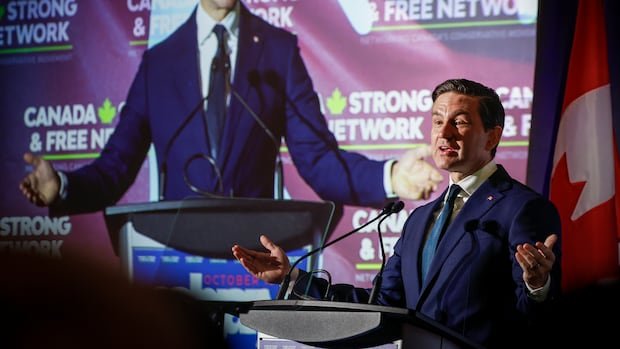

Federal Conservative Leader Pierre Poilievre acknowledges the frustrations driving separatist sentiments in Canada but emphasizes that giving up is not the solution. Poilievre, speaking in Calgary ahead of Alberta’s upcoming referendum on potential secession, stated that Albertans are resilient and should not opt for an easy way out by leaving. He urged them to stay and fight for their beliefs and the legacy of those who sacrificed for the country.
Albertans are preparing to vote on ten questions, including whether to remain part of Canada or proceed with a binding referendum on leaving Confederation. Poilievre highlighted the sacrifices made by previous generations to shape the nation and emphasized the importance of honoring their legacy by staying united and defending Canada.
While recognizing the challenges faced by Albertans, including rising costs and concerns about the justice system, immigration policies, and resource development, Poilievre encouraged them to consider the broader perspective. He emphasized that Canada is more than just a government—it is a collective identity, history, and promise that should be preserved.
Both Poilievre and Prime Minister Mark Carney are actively engaging with Albertans to advocate for staying in Canada. Carney, alongside Premier Danielle Smith, participated in events in Red Deer and Edmonton to rally support for unity. They stressed the real frustrations in Alberta but emphasized the benefits of cooperative federalism within Canada.
Despite polls indicating strong support for staying in Canada, leaders caution against voter apathy, as it could pave the way for a successful separation vote. The ongoing referendum has sparked significant public engagement, with high turnout at advance polls and through mail-in voting, indicating a potentially record-setting participation.
Smith, who called for the referendum in response to growing discontent with federal policies, underlined the need for a definitive resolution to the issue. While she has personally voted for Canada to remain intact, critics argue that the referendum may polarize sentiments and fuel separatist movements within Alberta’s political landscape.