

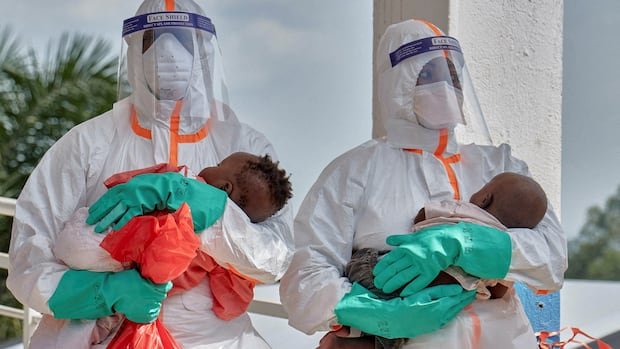

Outside a facility treating Ebola in the northeastern part of the Democratic Republic of Congo, Neema Nyaloka, an Ebola survivor, is caring for children separated from their infected parents. UNICEF is managing 12 child-care centers near Ebola treatment facilities, assisting children waiting for their parents to recover or those who have lost family members to the disease. According to Lucia Elmi, a director at UNICEF, an estimated 1,900 children have been separated from their caregivers due to Ebola, showcasing the impact on children during this unprecedented outbreak in the country.
The Ebola outbreak in the Democratic Republic of Congo has spread to seven provinces, surpassing the 2018-2020 outbreak in terms of scale and fatality, with over 9,200 confirmed cases and 4,400 deaths as of October 15. While children account for a quarter of the deaths, they have a higher fatality rate compared to adults, with 60% of child cases resulting in death. Amy Mina from Save the Children emphasized the devastating impact on children, especially those under five years old, who constitute 61% of child Ebola deaths.
Children in the region, already facing challenges such as malnutrition and displacement due to ongoing conflicts, are further affected by the Ebola outbreak. Ituri province, where the outbreak originated, remains heavily impacted, representing 73% of total cases. Save the Children is actively engaged in supporting schools and communities by providing supplies, training staff to recognize symptoms, and implementing infection prevention measures. However, attendance has dropped as parents fear schools could facilitate disease transmission.
Moreover, the outbreak has led to a rise in cholera cases in the west of the country, with over 51,000 suspected cases reported since the beginning of 2026. Children infected with Ebola require complete isolation, causing emotional distress as they interact only with fully protected caregivers. Dr. Joanne Liu highlighted the vulnerability of children to viruses due to their limited capacity to combat fluid loss, emphasizing the emotional toll of isolation on children without their parents’ support.
As Ebola continues to impact the region, pregnant women are avoiding clinics, leading to a rise in maternal deaths. Most Ebola deaths occur outside treatment centers, hindering efforts to track and contain the spread. The lack of adequate response and funding has contributed to the escalation of the outbreak, with cases spreading unchecked. Efforts are underway to provide maternal and child health supplies to affected regions, aiming to mitigate the crisis.
The current Ebola outbreak, caused by the Bundibugyo strain, lacks approved treatments or vaccines. Second only to the 2014-2016 outbreak in West Africa, the current surge has claimed over 11,000 lives. The outbreak has also affected neighboring countries, with two deaths in Uganda and cases linked to Kenya. Aid groups stress the urgent need for additional treatment centers, funds, and community education to combat the outbreak effectively. Building trust and awareness are crucial elements in addressing the ongoing health crisis in the Democratic Republic of Congo.