

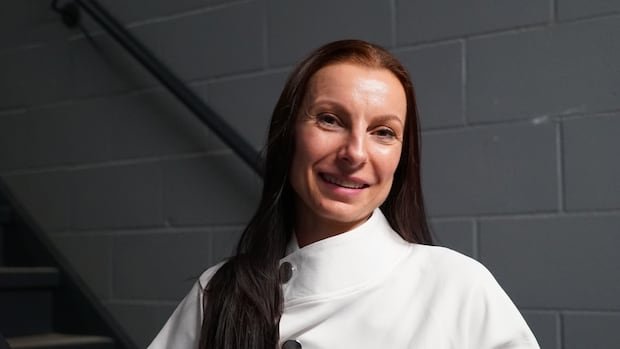

A psychotherapist in Guelph is advocating for the Ontario Health Insurance Plan (OHIP) to cover long-term supportive psychotherapy through a recently launched petition. Marinela Trickett, who also serves as the clinical director of Trickett Psychotherapy, highlighted the increasing demand for extended mental health support, with numerous individuals facing challenges in accessing timely care.
Trickett emphasized the current trend where individuals often wait until they reach a crisis point before seeking mental health assistance, leading them to hospitals or emergency rooms where their needs may not be adequately addressed. Presently, OHIP only covers psychotherapy when administered by a medical doctor or a psychiatrist who is a medical doctor, excluding services provided by registered psychotherapists in private practices and individuals without workplace benefits.
The cost of receiving psychotherapy from a psychotherapist can surpass $100 per session, with average fees ranging between $150 to $180 per individual session. Collaborating with Guelph MPP Mike Schreiner, leader of Ontario’s Green Party, Trickett intends to present a petition at Queen’s Park in November, urging the province to recognize psychotherapy and evidence-based mental health services as medically essential. The petition also calls for expanding publicly insured coverage to psychotherapy offered by qualified regulated professionals and establishing a Provincial Mental Health Coverage Framework to ensure equitable access.
The initiative aims to gather 5,000 signatures to drive policy change in mental health coverage. In response to inquiries from CBC News, Ontario’s minister of health mentioned the Ontario Structured Psychotherapy program (OSP), which provides free cognitive behavioural therapy for individuals aged 18 and above. Additionally, the government is investing $3.8 billion over a decade through the Roadmap to Wellness to enhance mental health and addiction services across the province.
Despite these efforts, Trickett noted limitations in the OSP program, which primarily focuses on anxiety and depression cases with specific severity levels and session restrictions. She pointed out that mental health challenges extend beyond anxiety and depression, underscoring the need for broader support. A report from the Canadian Institute for Health Information (CIHI) revealed that in 2024, 41% of Canadian adults with diagnosed mental health conditions had unmet or partially met needs. In Ontario, CIHI identified unmet mental health care needs in 40% of males and 35% of females with mental health disorders.