

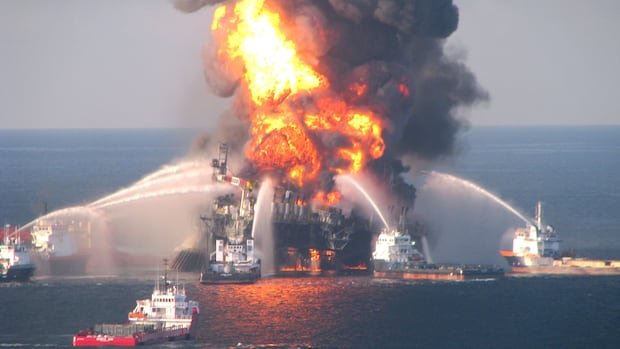

After more than 16 years since one of the most catastrophic oil spills in history, an extensive study reveals a significant ongoing decline in marine life in the Gulf of Mexico.
The explosion of the Deepwater Horizon oil rig, operated by BP off the coast of Louisiana on April 20, 2010, resulted in the death of 11 individuals and injuries to 17 others. Over a three-month period following the incident, an estimated 4.9 million barrels of oil spilled into the Gulf, as reported by a U.S. government task force. The environmental ramifications of this disaster have had a lasting detrimental impact on marine ecosystems.
According to Tracey Sutton, a biological oceanographer at the Guy Harvey Oceanographic Research Center of NOVA Southeastern University, immediate post-spill assessments revealed a substantial decrease in certain species by 60 to 85 percent within the first three and a half years. Sutton’s recent study, incorporating an additional eight years of in-depth analysis and sampling, was recently published in the Proceedings of the National Academy of Sciences, highlighting the persistent decline in marine life.
The study indicates that the lingering effects of the Deepwater Horizon incident, particularly the presence of harmful substances like polycyclic aromatic hydrocarbons (PAHs) from the spilled oil, continue to impact deep-sea marine life. These oil-derived compounds have been detected in the muscle tissue and eggs of deep-sea fish and squid, potentially affecting their health and reproduction.
Experts not involved in the research confirm that the study effectively considers natural variables that could influence fish populations, such as temperature and food availability. The consensus among scientists is that the prolonged release of oil into the Gulf of Mexico for 87 days during the Deepwater Horizon disaster remains the primary cause of the ongoing decline in marine biodiversity.
The negative repercussions of this decline extend beyond individual species, impacting the entire Gulf ecosystem’s ability to capture carbon in its depths. The deep pelagic zone, where marine life was surveyed, plays a critical role in nutrient cycling and carbon sequestration. The disruption in this process could have broader implications for oceanic carbon absorption and the overall health of marine ecosystems.
As discussions around expanding offshore drilling continue, concerns loom over the potential risks associated with increased oil exploration and transportation. While the magnitude of future incidents may not reach that of the Deepwater Horizon disaster, the elevated activity poses a heightened risk to marine environments and coastal regions.
The study underscores the importance of understanding the long-term consequences of environmental disasters like the Deepwater Horizon spill and emphasizes the need for sustainable practices to safeguard marine ecosystems and biodiversity.