

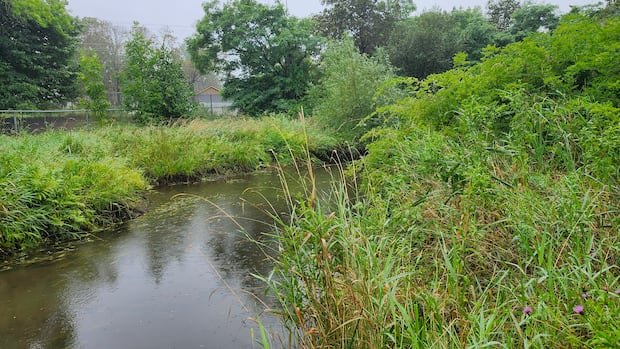

An environmental organization in Cape Breton is currently engaged in the restoration of wetlands along Wash Brook to protect Sydney’s south end from severe flooding. This initiative comes a decade after a significant storm brought 225 millimetres of rain in one day, causing extensive flooding and damage to various structures in the area.
The Atlantic Coastal Action Program (ACAP) is leading this restoration project, emphasizing the importance of wetlands as vital ecosystems that store carbon, offer habitat for wildlife, and effectively retain water. Over the years, wetlands in Nova Scotia have been undervalued, resulting in a 50% reduction in their natural footprint, which has compromised the community’s ability to manage runoff, especially during extreme weather events.
Before commencing the restoration work, ACAP conducted a comprehensive two-year study to gather essential data on water, plant life, and wildlife along the brook. Kathleen Aikens, the executive director of ACAP, highlighted the significance of preserving this community space throughout the restoration process.
Currently, crews and volunteers are actively removing invasive plant species such as multiflora rose, wild angelica, and purple loosestrife using both manual tools and machinery. In the upcoming months, the brook will be widened, and native plant species like milkweed and white turtlehead, crucial for the habitat of monarch butterflies, will be planted.
The restoration efforts will continue through the fall, focusing on areas near the public gardens and Legends Arena, followed by ongoing environmental monitoring over several years to ensure the project’s success. Aikens emphasized the need for continuous supervision and management of the restoration to achieve long-term benefits for the community and the environment.