

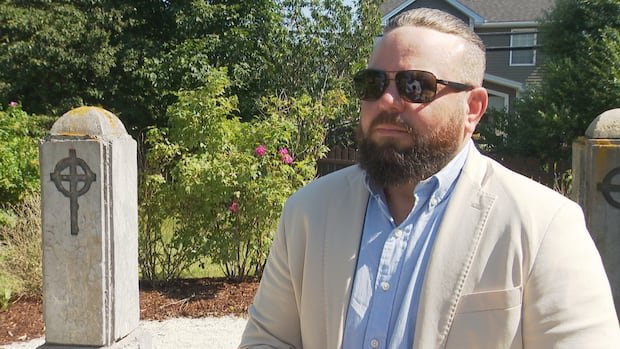

Gemma Hickey, a prominent advocate and survivor of clergy abuse, is urging officials within the Roman Catholic Church in Newfoundland and Labrador to be transparent about their association with an Ontario therapy center following revelations in a recent CBC News report. Hickey is demanding an impartial review of records concerning the church’s utilization of the Southdown Institute for the housing and treatment of abusive priests from Newfoundland. Expressing the need for accountability, Hickey emphasized the importance of the church shedding light on past incidents to prevent future occurrences.
Recent disclosures from a court filing in Grand Falls-Windsor revealed correspondence from 1970, indicating that the bishop of Grand Falls was informed about misconduct allegations against a priest in Baie Verte. Subsequently, the priest was sent to Southdown for intervention. Tragically, the priest, Father Leonard Joseph Kelly, resumed his duties and went on to perpetrate further abuses before being convicted in 1987. Surprisingly, these letters were not presented during the priest’s criminal trial or the Winter Commission’s investigation into clergy abuse in the late 1980s.
The uncovered documents were brought to light by Guardian Insurance as part of a process related to the diocese’s insurance policy, raising concerns about financial motivations overshadowing the pursuit of justice in such cases. Hickey lamented the fact that it took an insurance company’s actions to reveal these crucial details, rather than the church coming forward voluntarily.
The Southdown Institute, operational since 1965, specializes in providing care for clergy struggling with various mental health issues, including alcoholism and depression. Notably, the institute has accommodated several priests from Newfoundland accused of sexual misconduct. Reports from the Winter Commission identified multiple Newfoundland priests, including Father Kevin Bennett and Father George Ansel Smith, who were sent to Southdown for rehabilitation.
Hickey, who leads the global organization Ending Clergy Abuse, stressed the significance of accessing the church’s archives to comprehend the decision-making processes behind sending priests for treatment and ensuring compliance with recommendations. Despite encountering obstacles, Hickey noted that high-ranking members within the Catholic Church have expressed interest in disclosing these records.
The lack of transparency surrounding past incidents of clergy abuse not only raises doubts about the eradication of such misconduct but also prolongs the suffering of survivors haunted by traumatic memories. Hickey highlighted the need for proper accountability and closure for survivors, contrasting the perpetrators’ ability to move on with the enduring pain experienced by those affected.