


A prevailing sentiment for Alberta to remain part of Canada, pockets of separatist supporters, and varying regional opinions on immigration policies are emerging from the initial results of the provincial referendum.
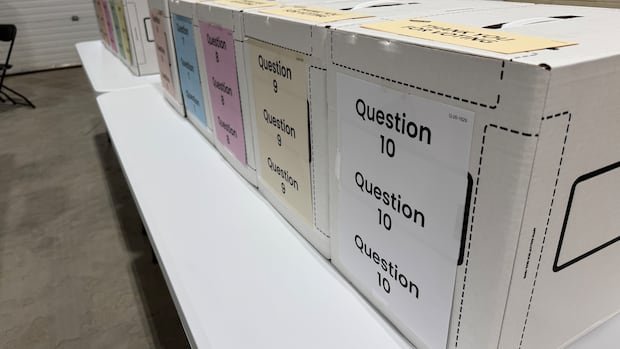
Elections Alberta is in the process of tallying votes from across the province. Although 90% of voting locations had reported counts by Tuesday evening, there were still hundreds pending. Official results are expected next week, but frequent updates on preliminary results have been provided to the public since late Monday night.
As of 6:15 p.m. Tuesday, around three-quarters of Albertans appeared to have voted in favor of the province staying in Confederation, alleviating concerns about potential secession in the near future.
Lori Thorlakson, a University of Alberta political science professor, emphasized that the results indicate Albertans’ lack of interest in separation or conflict with the federal government.
The highest support predominantly came from Alberta’s major cities. By Tuesday night, the Edmonton-Strathcona riding had over 90% of voters choosing to remain in Canada. However, some rural areas, such as Rimbey-Rocky Mountain House-Sundre and Central Peace-Notley, showed a narrow majority in favor of initiating the legal process for a binding referendum on separation.
Dylan Bressey, president of Alberta Municipalities, expressed relief that the referendum debate has concluded, shifting the focus back to essential services and infrastructure development.
Apart from the question concerning Alberta’s status within Canada, nine other questions on immigration and constitutional matters were posed to Albertans. Early data suggests strong support for most government proposals, with only one question, specifically about provinces opting out of certain federal programs, receiving more “no” votes.
According to Thorlakson, Premier Danielle Smith might interpret the results as a mandate to pursue proposed immigration policy changes.
The immigration-related questions included topics like non-permanent residents’ access to services and voting requirements. Concerns were raised that newcomers were being unfairly blamed for strains on housing and social services in Alberta.
The initial referendum outcomes indicate rural Albertans largely endorsing the immigration policies, while urban areas show more divided opinions.
Bressey highlighted the need for increased investment in infrastructure, education, and healthcare to support Alberta’s growing population effectively.
Elections Alberta will continue counting ballots until completion, with the timeline dependent on voting location closures, count logistics, and voter turnout.