

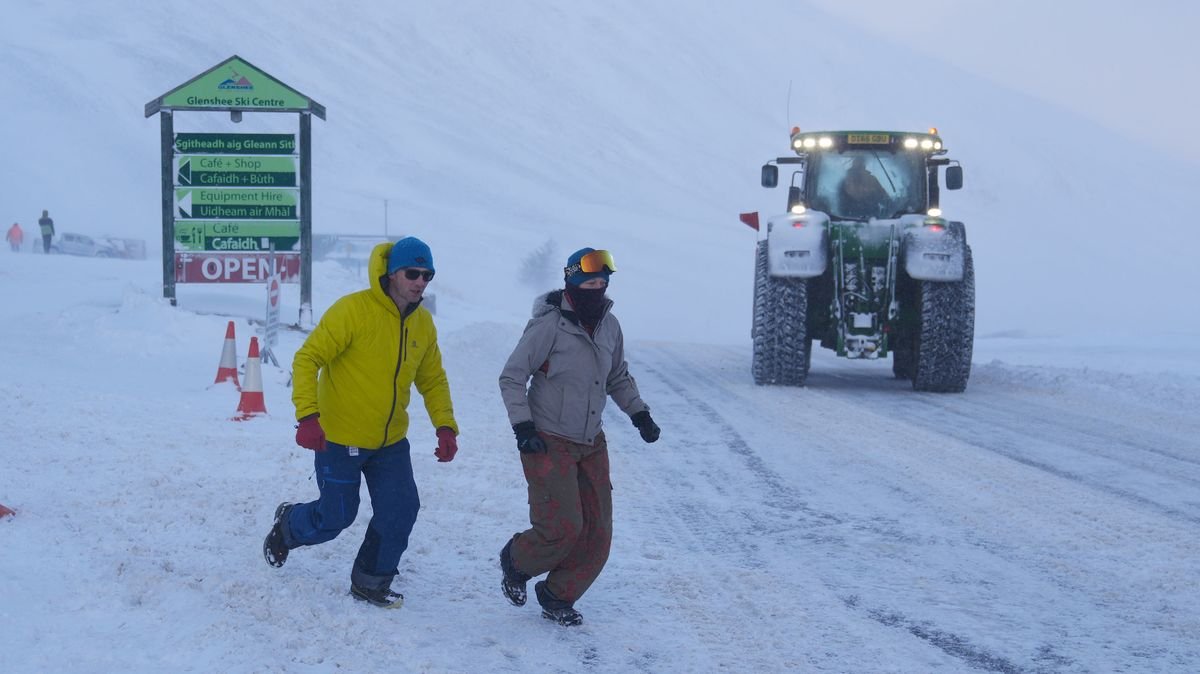

A blast of frigid Arctic air sweeping through the United Kingdom is expected to drive temperatures down to -10C, prompting caution from health authorities about the potential rise in heart attacks and strokes.
The UK Health Security Agency (UKHSA) has issued an amber cold weather alert for areas including Yorkshire and Humber, the North West, and the North East of England. The rest of England is under a yellow alert. These alerts are in effect from midday on Monday (November 17) until 8 am on Saturday (November 22). The UKHSA has cautioned that the temperature drop may strain health services, especially for individuals aged 65 and older, those with respiratory or cardiovascular conditions, or individuals who are homeless.
Dr. Agostinho Sousa, the Head of Extreme Events and Health Protection at UKHSA, emphasized the importance of checking on vulnerable friends, family, and neighbors during this initial prolonged cold period of the season. The Manchester Evening News reported that the forecasted low temperatures could significantly impact health, increasing the risks of heart attacks, strokes, and chest infections, particularly for those over 65 and individuals with existing health conditions.
The Met Office has issued snow and ice warnings across the UK this week as temperatures are expected to drop due to a cold northerly flow from the Arctic. Deputy Chief Forecaster Tom Crabtree highlighted that Wednesday to Friday will likely be the coldest days, posing the highest risk of impactful weather with multiple warnings in place. Overnight temperatures could plummet to minus ten, with a substantial wind chill further intensifying the cold.
The Met Office cautioned that such cold conditions could elevate the likelihood of pneumonia, worsen arthritis, and lead to cardiovascular problems. The British Heart Foundation also noted that cold weather could strain the heart as blood vessels contract to conserve heat, potentially causing thicker blood and an increased risk of clotting.
Authorities recommend that individuals particularly vulnerable to the cold ensure they eat regularly, including at least one hot meal daily, have warm drinks frequently, keep their homes heated, close bedroom windows during cold nights, stay active indoors, avoid prolonged sitting, wear layered clothing when going outside, and maintain physical activity to reduce the risk of heart disease, stroke, and depression, as well as prevent falls.