

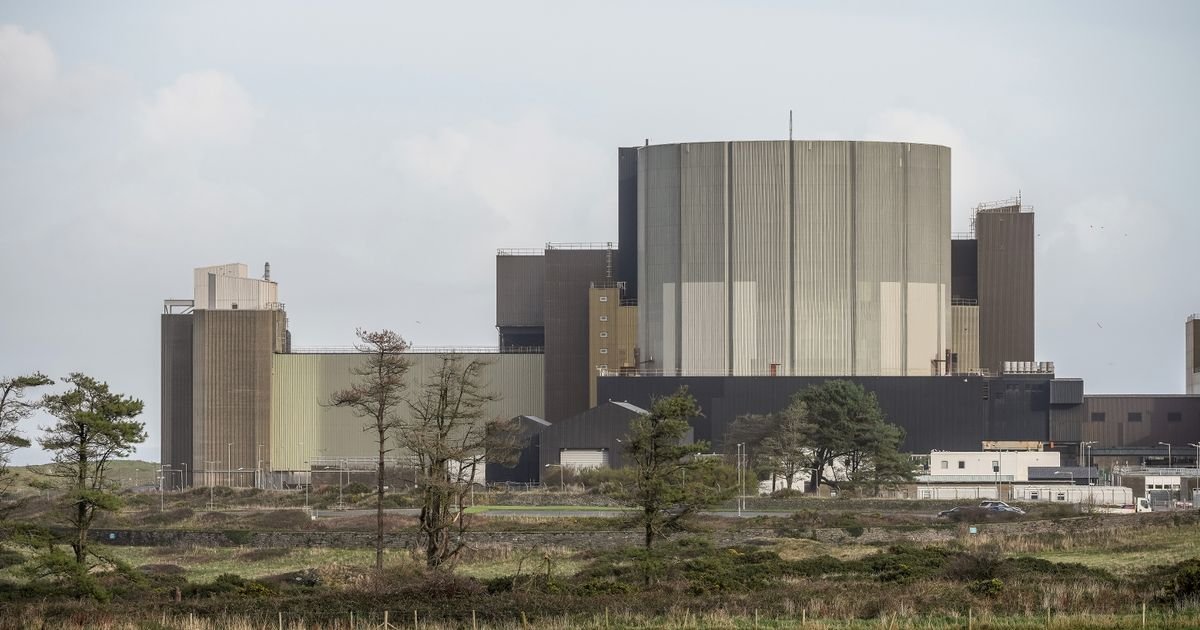

Britain’s inaugural small nuclear power station will be constructed on Anglesey, situated in North Wales, as officially declared by the Government. The venture is spearheaded by the state-owned Great British Energy-Nuclear (GBE-N) and is bolstered by a substantial £2.5 billion investment from governmental funds. Additionally, GBE-N has been assigned the responsibility of pinpointing potential locations for a future large-scale nuclear power facility akin to the ongoing developments at Hinkley Point in Somerset and Sizewell in Suffolk.
Designed to be swiftly erected on-site using prefabricated modules, small modular reactors are anticipated to offer a quicker construction timeline compared to traditional plants such as Hinkley Point C. The Department for Energy Security and Net Zero articulated that the installation at Wylfa is anticipated to create approximately 3,000 employment opportunities within the local economy during peak construction phases. Officials are optimistic that this initiative will transform Wylfa into a prominent symbol of a flourishing nuclear era, following previous unsuccessful endeavors to reintroduce nuclear power to the site of a former reactor.
The premier small modular reactors, known as SMRs, will be conceptualized by the renowned engineering conglomerate Rolls-Royce and are predicted to produce adequate electricity to sustain three million households. Prime Minister Sir Keir Starmer expressed, “Britain was previously at the forefront of nuclear power, but neglect and stagnation have led to areas like Anglesey being neglected. Today marks a turning point. By utilizing various strategies such as reducing bureaucratic obstacles, amending planning regulations, and endorsing growth, the government is committed to establishing the country’s inaugural SMR in North Wales. This administration is not only reversing decline but is also generating thousands of future-proof jobs, attracting billions in investments, and ensuring cost-effective energy bills in the long run.”
First Minister of Wales Eluned Morgan also voiced her enthusiasm, stating, “This is the pivotal moment that Ynys Mon and the entirety of Wales has been eagerly anticipating. New nuclear power signifies a leap into the future, offering secure employment and energy stability for the forthcoming generation.” The Energy Department disclosed that GBE-N is slated to commence work at the site next year, initiating with a three-reactor pilot project, with the potential to accommodate up to eight of these compact power stations. The aim is for the Wylfa reactors to commence supplying power to the grid by the mid-2030s.
In support of the development of SMRs, Unite general secretary Sharon Graham emphasized the significance of endorsing a gigawatt-scale nuclear power station at Wylfa, underscoring the importance of fortifying the UK’s energy security. Sue Ferns OBE, senior deputy general secretary at Prospect, echoed similar sentiments, highlighting the role of the nuclear renaissance in providing clean energy, secure jobs, and economic vitality across the UK. She emphasized the importance of a cohesive energy strategy encompassing both SMRs and gigawatt-scale nuclear projects to ensure the nation’s long-term energy security while maximizing employment opportunities for British workers.
At Reach and its affiliated entities, data collected through cookies and other identifiers are employed to enhance user experience, analyze site usage, and deliver personalized advertisements. Users have the option to opt-out of data sale or sharing preferences by clicking the designated button on the webpage. Continued use of the website and associated services indicates acceptance of cookie usage and consent to the outlined practices in the Privacy Notice and Terms and Conditions.