

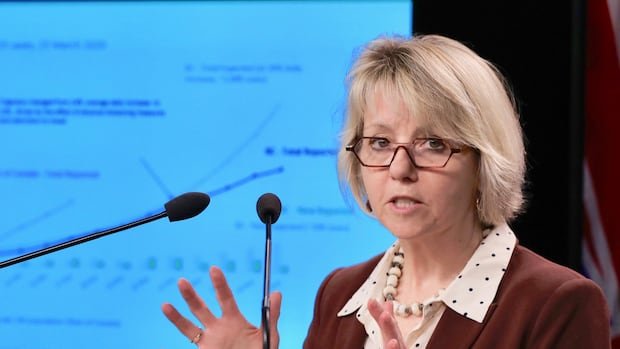

British Columbia’s provincial health officer has confirmed the absence of any active measles cases in the province as families prepare for the upcoming school year. However, Dr. Bonnie Henry cautioned that the situation could change following the detection of a new strain of the virus circulating in the region over the summer. Despite this, she emphasized that there are currently no individuals capable of transmitting the virus within the province, expressing hope to maintain this status quo.
During an event alongside Health Minister Ravi Kahlon to advocate for childhood vaccinations before the new school term, Henry highlighted the vulnerability of British Columbia to different virus strains. She revealed that the newly identified strain was sequenced by the B.C. Centre for Disease Control after a cluster of 11 cases emerged in the northeast of the province between July and August.
This particular region has been at the epicenter of British Columbia’s measles outbreak, accounting for a substantial portion of the reported cases due to low immunization rates. Henry explained that the emergence of the new virus variant signified a fresh introduction, facilitated by the lack of immunity among certain communities in the northern area.
Following extensive public health interventions last year, the region witnessed a significant reduction in transmission earlier this year, with a prolonged period of no new cases leading up to the summer break. However, Henry cautioned that the province remains susceptible to the introduction of other virus strains from international sources, citing the recent influx of individuals attending World Cup events in Vancouver.
Addressing concerns about misinformation surrounding vaccinations, Henry noted that while there have been no measles-related fatalities in British Columbia, at least five deaths occurred in the United States within the past two years. She underscored that a majority of the individuals hospitalized in B.C. due to measles during the ongoing outbreak were unvaccinated children.
Henry and Kahlon criticized U.S. politicians and online influencers for disseminating vaccine-related misinformation, which has contributed to declining immunization rates in both countries. They stressed the importance of elected officials advocating for the safety and efficacy of vaccines to protect the health and well-being of children.
Kahlon announced that the Northern Health Authority would receive additional resources to support immunization efforts in the northeast region during the upcoming fall season. He also mentioned that the education ministry would implement protocols for schools to manage potential new cases, clarifying that unvaccinated students would be required to continue their studies remotely in the event of an outbreak.
In conclusion, proactive measures are being taken to safeguard the community against measles and combat misinformation surrounding vaccines to ensure the well-being of children as they return to schools and daycares.