

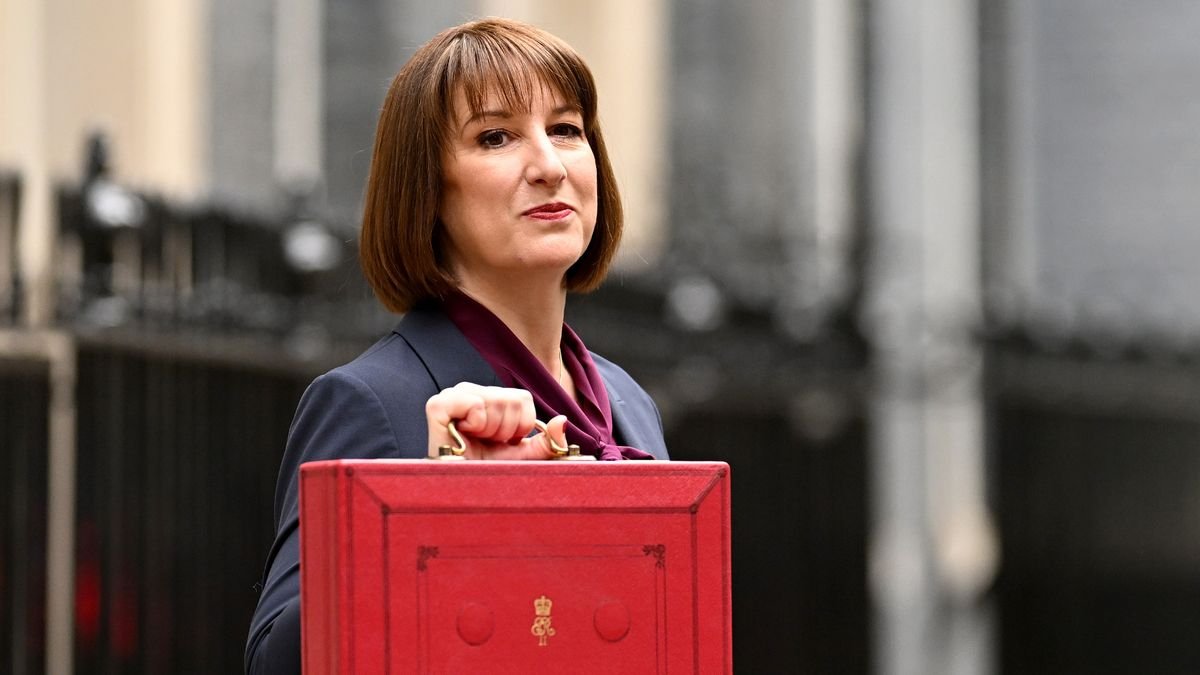

Chancellor Rachel Reeves faces significant challenges ahead of the upcoming Budget, as new data reveals higher government borrowing and a decline in retail sales. The Office for National Statistics reported that public sector borrowing in October reached £17.4 billion, marking the third-highest figure for the month on record. This amount exceeded economists’ expectations and the forecast by the Office for Budget Responsibility in March.
These figures are raising concerns about potential tax increases during the Budget presentation to address the substantial deficit in the UK’s public finances, estimated at up to £50 billion by some experts. Additionally, recent ONS data indicated a larger-than-expected 1.1% drop in retail sales, suggesting consumer caution amid fears of income impacts.
Capital Economics consultant Ruth Gregory commented that the data portrays a bleak outlook, expressing concerns that tax hikes in the Budget could dampen consumer spending during the festive season and beyond. Government borrowing for the current financial year stands at £116.8 billion, a £9 billion increase from the same period last year.
Treasury Chief Secretary James Murray emphasized the need for reducing debt to redirect funds towards essential sectors like education, healthcare, law enforcement, and defense. The public sector net debt, excluding the Bank of England, reached £2.77 trillion, equivalent to around 90% of the GDP.
The ONS noted a decrease in debt interest payments on government borrowing due to the decline in the Retail Prices Index measure of inflation. Chief economist Grant Fitzner highlighted increased tax receipts and national insurance contributions compared to the previous year.
Economists, including Elliott Jordan-Doak from Pantheon Macroeconomics and Thomas Pugh from RSM UK, offered insights on the potential budgetary strategies, anticipating shifts in tax policies to address the fiscal challenges.
Overall, the data underscores the pressing need for fiscal measures to stabilize the economy and manage the country’s financial obligations effectively.