

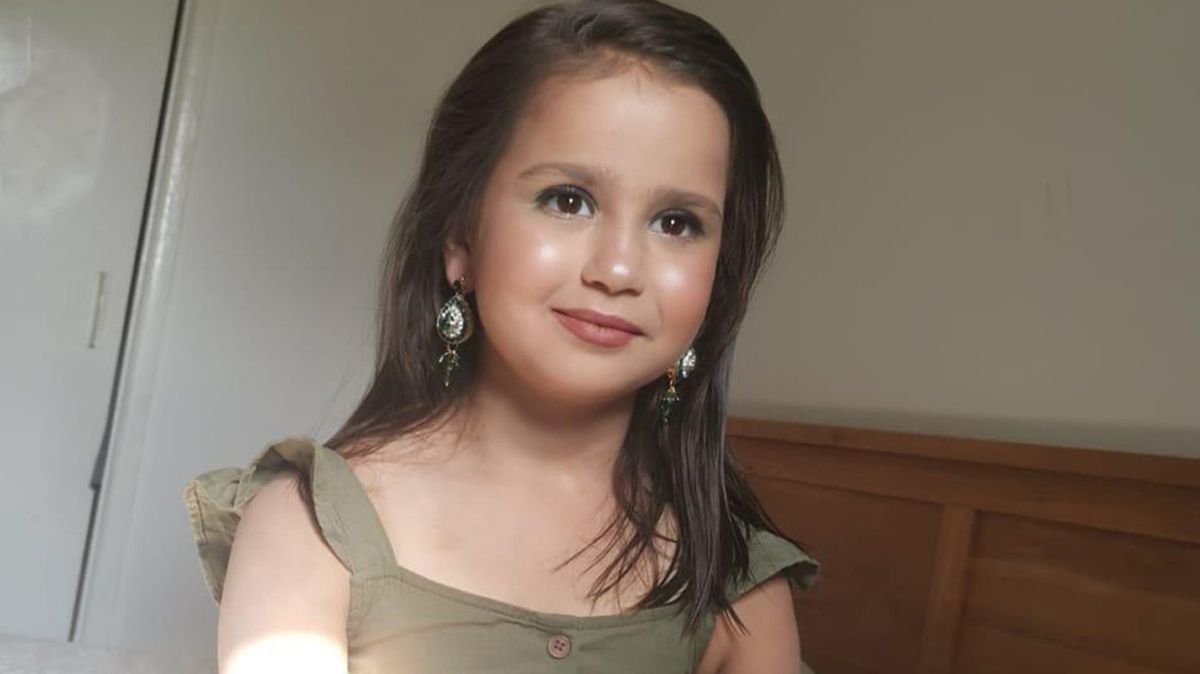

Their images continue to trouble us. Victoria Climbie, Daniel Pelka, “Baby P” Peter Donnelly, Star Hobson, and Arthur Labinjo-Hughes – all victims of those who were meant to care for them and failed by those who were supposed to shield them.
A recent report has once again shed light on the deficiencies within the system leading to Sara Sharif joining this tragic roster. Lord Laming, the expert on child protection who oversaw the inquiry into Victoria’s death in Haringey in 2000, expressed his dismay at Baby P’s demise eight years later in the same area of north London.
Similar to Victoria, Peter was under the care of welfare and health services, yet he perished despite the changes implemented post Laming’s investigation. Lord Laming remarked, “I had hoped that Haringey would establish services that would set a standard for best practices.”
Sara’s situation mirrors Victoria’s in many aspects. Both suffered physical abuse, confinement, and mistreatment by their primary caregivers. Victoria, at the time of her death in February 2000, weighed merely 3st 10lb and bore 128 distinct injuries. Despite numerous encounters with social workers, nurses, doctors, and police officers, the abuse went unnoticed and unchecked.
The recurring elements in these cases include inadequate communication, failure to pursue concerns, administrative oversights, and most significantly, deceitful caregivers who manipulate the system. At the core of each tragedy lies a child whose voice goes unheard and whose needs are inadequately addressed by overstretched public services. However, it is impractical to assume that no more children will suffer a similar fate.
Mistakes are inherent in our professional realms, a fact I am familiar with as a journalist. The key to handling them effectively lies in transparency, openness, and a willingness to adapt as circumstances evolve.
To prevent future lapses, it is essential to acknowledge mistakes, learn from them, and keep in mind that it was Urfan Sharif who took Sara’s life.