

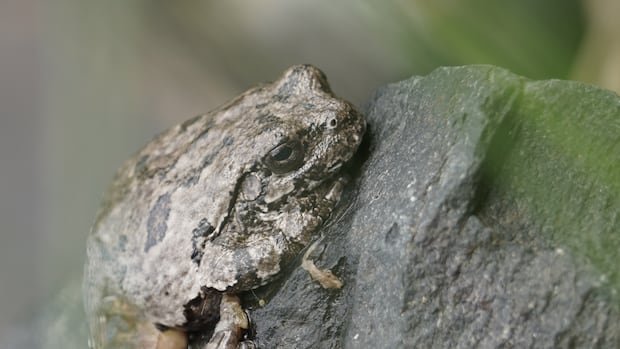

Lethargic frogs and toads shedding thickened skin in patches, facing difficulties with breathing and eating, are symptomatic of chytridiomycosis, a deadly fungal infection known as an “epidermal epidemic” leading to the extinction of numerous amphibian species globally. While not yet detected in Manitoba, Canada, the presence of this pathogen is highly probable due to its prevalence across the continent.
Chytrid in frogs is caused by the fungal pathogen Batrachochytrium dendrobatidis, while in salamanders, it is caused by Batrachochytrium salamandrivorans, believed to have originated in East Asia and decimated local populations in Europe. Although not yet established in North America, the risk of its spread remains a concern.
The emergence of the chytrid infection in frogs and toads initially remains uncertain, but its devastating impact on amphibian populations worldwide is undeniable. Responsible for the extinction of over 90 species and a decline in more than 500 others, chytrid is considered the worst infectious disease among vertebrates, increasingly affecting the U.S. and Canada in recent years.
In Alberta, nearly half of frog populations tested between 2006-2010 were positive for chytrid, with similar findings in British Columbia, particularly impacting species like the northern leopard frog. The decline in leopard frog populations in Manitoba over the years suggests a potential historical impact of chytrid on local amphibians.
Despite Manitoba’s current chytrid-free status, ongoing research efforts led by Jackie Tran, a Brandon University graduate student, aim to confirm the presence of the fungal pathogen in amphibian populations. Tran’s proactive monitoring program is crucial in assessing and potentially mitigating the risk posed by chytrid to amphibians in the region.
With the environment and climate evolving, the threat to Prairie amphibians may escalate, emphasizing the urgency of monitoring and conservation efforts. Tran’s work, supported by geographic modeling data, highlights the importance of identifying potential chytrid habitats and implementing preventive measures to safeguard amphibian populations.
The collaborative efforts of researchers and conservationists, such as those at Brandon University and the Calgary Zoo, offer hope for the survival of amphibian species affected by chytrid. Experimental treatments, like inoculating young frogs against the fungus, show promising results in enhancing their survival rates, potentially aiding in species reintroduction efforts.
Tran’s dedication to disease research underscores the importance of proactive conservation measures to prevent catastrophic losses in amphibian populations. By leveraging successful interventions and ongoing monitoring programs, there is optimism for protecting Manitoba’s amphibians from the devastating effects of chytrid.