

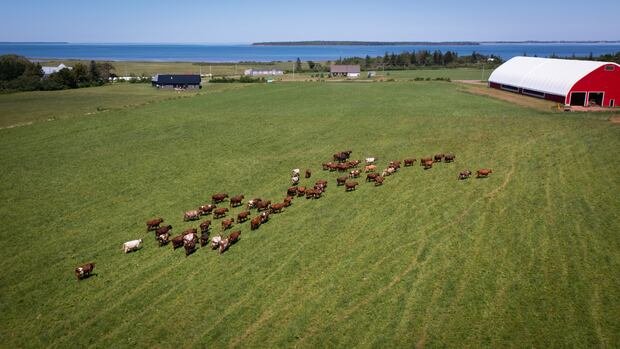

A recent report suggests that the P.E.I. Land Identification Program, established in 1995 to safeguard the island’s farms, forests, and coastlines from subdivision, may not be as effective as intended. The program allows the cabinet to impose non-development agreements on land sales to non-residents, restricting development to a single home or business while preserving the majority of the land for agricultural, forestry, or recreational use.
However, a significant change occurred in 2015 when the provincial government decided that all non-development agreements would automatically expire after 10 years, including retroactive agreements. As of 2012, around 121,400 hectares (300,000 acres) were covered by the Land Identification Program.
An interim review by commissioner Rory Francis revealed that an additional 61,500 hectares (152,000 acres) were protected from 2016 to July 2026, but these protections are set to expire by 2036. This would result in over 182,000 hectares (450,000 acres) of land – about a third of the island – losing its protected status by 2036.
The Land Identification Program has been criticized for creating a false sense of rural land use planning and protection, according to Francis. With concerns about disappearing farmland, Statistics Canada data shows that P.E.I. lost 12% of its farmland between 2016 and 2021, averaging a daily loss of 39 acres.
The P.E.I. Federation of Agriculture has raised alarms about the potential loss of half of the island’s farmland by 2050 without enhanced protection measures. The federation believes that the Land Identification program was not the appropriate tool for preserving P.E.I.’s agricultural lands.
Efforts to implement a province-wide land use plan have faced challenges, with calls dating back to the 1973 Royal Commission report. Despite promises by the Progressive Conservatives to have a plan ready by the end of 2026, the status of this initiative remains uncertain.
Green Party Leader Matt MacFarlane has advocated for protecting farmland from subdivision development, emphasizing the need for a comprehensive land use plan. However, delays in implementing these measures have raised concerns about the continued loss of agricultural land on the island.
The P.E.I. government’s focus on long-term land protection and responsible land use has been reiterated, but questions remain about the effectiveness of existing programs in safeguarding the island’s valuable agricultural and natural resources.