

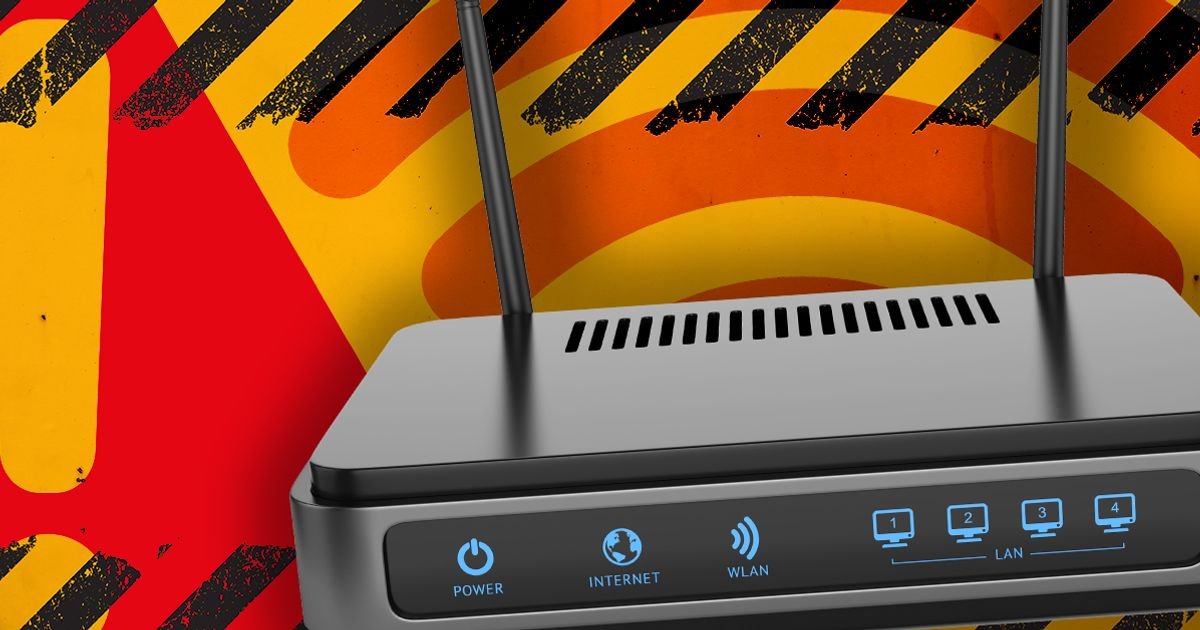

Many households may face slow broadband speeds due to the high number of connected devices, according to Uswitch. The average British home now has around 16 web-enabled gadgets spread throughout the premises. Some of these devices, like video doorbells, continuously send data over the internet, causing delays in activities such as video calls and streaming services like Netflix, especially for homes with basic internet connections.
Broadband is likened to a road, where increased traffic leads to slower speeds. Properties with full-fibre connections offer wider “roads” to handle more traffic efficiently, unlike older copper cables that may struggle to keep up. Another issue arises from ‘phantom’ devices, which remain connected to the router despite not being in use.
Uswitch advises homeowners to consider upgrading to faster full-fibre speeds if their residence is filled with smart gadgets. They also recommend identifying and disconnecting unused devices to improve connectivity instantly. According to Max Beckett, a broadband expert at Uswitch, dormant gadgets and sensors constantly communicate with the router in the background, potentially causing buffering issues during activities like watching movies or gaming.
To optimize internet performance, users are encouraged to conduct a digital spring cleaning by disconnecting or powering down unused devices. While full fibre broadband is the ideal solution, managing connected devices and regulating high-definition streaming can also significantly enhance the online experience.