

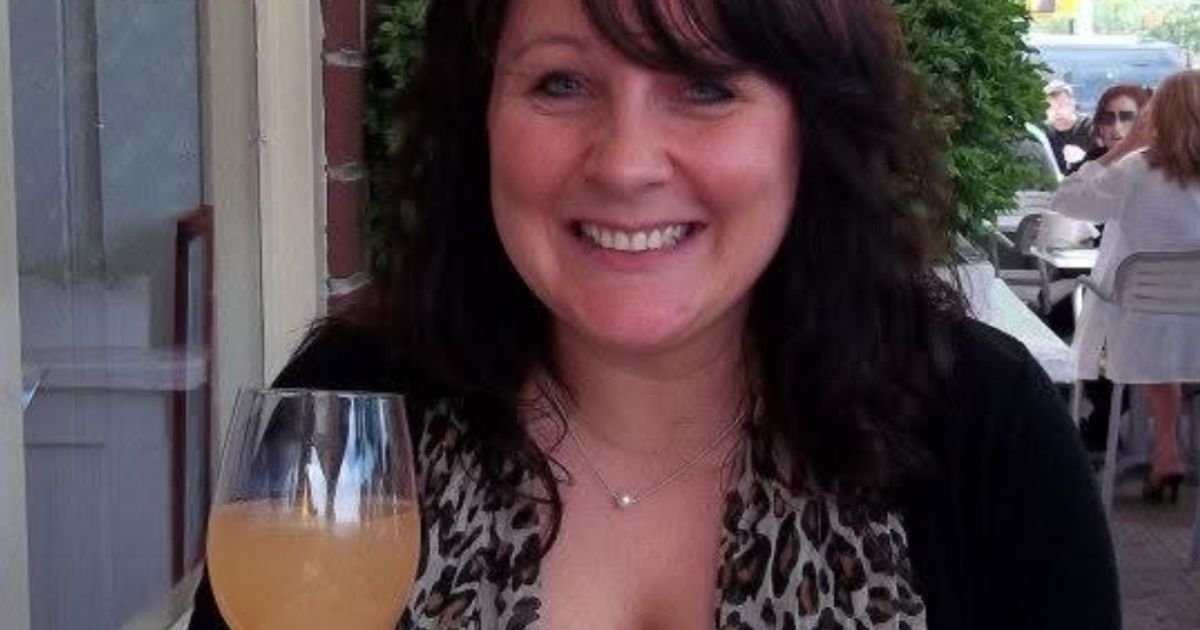

A mother who used to drink alcohol every night to relieve stress now believes that her drinking habit was a way of coping with an undiagnosed condition. Sarah Lloyd, a 48-year-old mother of two from Hampshire, turned to alcohol to manage the pressures of her high-profile corporate job. Despite her outward success in climbing the corporate ladder, she struggled with anxiety, burnout, and a sense of shame from years of relying on alcohol to maintain a facade of normalcy.
Initially, Sarah used alcohol to fit in with colleagues and cope with social situations. She found it difficult to moderate her drinking, often bingeing on weekends and consuming more than she intended. Her reliance on alcohol increased over the years, with her consuming a bottle of wine a night at her lowest point. The drinking helped her navigate the challenges of her work environment, where social expectations and performance pressure were constant.
It wasn’t until Sarah entered perimenopause that she began to understand the deeper reasons behind her behavior. Reflecting on her struggles with sensory overload, social interactions, and anxiety, she realized she might be neurodivergent. This realization shifted her perspective on her relationship with alcohol, seeing it as a coping mechanism for her difficulties in communication and social interactions.
Sarah’s drinking peaked in her 30s and 40s, leading to strained relationships and moments of regret due to her behavior while intoxicated. Despite her successful career and family life on the surface, she felt like she didn’t truly belong and struggled with high functioning anxiety. Seeking answers for her mental health challenges, she turned to alternative therapies like Reiki, which sparked a transformative journey towards healing.
Inspired by her experience with Reiki, Sarah made the decision to leave her corporate job and train in Reiki therapy herself. She now works in the holistic wellness industry and hosts a podcast called Shame-Less Stories. Through her spiritual journey, she has found a sense of peace and clarity that she hadn’t experienced before, leading her to help other women share their stories and heal.
Sarah now views her past struggles through a lens of self-understanding rather than weakness. She has embraced a sober lifestyle, focusing on personal growth and supporting others in their healing journeys. Understanding herself better has proven more empowering than relying on alcohol ever was, allowing her to face life with clarity and freedom.