


The upcoming U.S. midterm elections will decide whether President Donald Trump, a Republican, can advance his agenda for the remainder of his term or if he will face opposition from a newly empowered Democratic-controlled Congress. The midterms are crucial as they determine the balance of power in both the House of Representatives and the Senate, collectively known as the U.S. Congress.
In the Senate, the controlling party wields influence over key appointments and can initiate impeachment proceedings, while the House has the authority to propose budget bills. If one party controls both chambers, it can significantly impact legislation and check certain presidential actions.
The Democrats are optimistic about their chances in the midterms, while Republicans are wary based on historical trends. Since the 1930s, the incumbent president’s party has typically lost seats in Congress during midterm elections, with few exceptions like Bill Clinton and George W. Bush who had high approval ratings. However, Trump’s approval ratings are not as favorable.
With narrow majorities in Congress, Republicans cannot afford significant losses to retain control. The Democrats need to flip just a few districts to secure the House and a few states to take the Senate. The Senate races are more challenging due to the statewide nature of the contests.
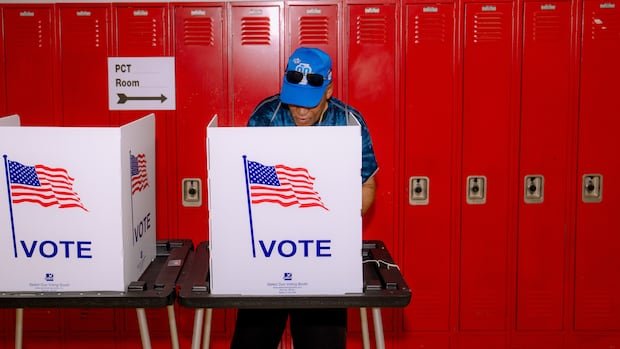
The midterm elections are scheduled for Nov. 3, but many Americans may opt for early voting methods such as mail-in ballots, despite ongoing debates over voting restrictions. The primaries, held earlier in the year, determined each party’s candidates for the general election.
Although Trump is not on the ballot, his influence on the campaigns is undeniable. His approval ratings and campaign efforts could sway voter decisions, especially among moderate Republicans and swing voters who may have shifted their support since the last presidential election.
Economic concerns, such as the cost of living and issues related to tariffs and international conflicts, are top priorities for voters in the midterms. Voter turnout is crucial, as each party seeks to mobilize its base and address key concerns to secure electoral victories.
In the Senate races, a handful of seats are considered competitive, with Republicans facing challenges in states like North Carolina, Maine, Ohio, Alaska, Iowa, and Texas. Democrats are also working to defend key Senate seats in Michigan and New Hampshire.
Similarly, in the House races, a limited number of districts are seen as battlegrounds, with both parties vying for control. The outcome of these races will be pivotal in determining which party holds the majority in the House.