

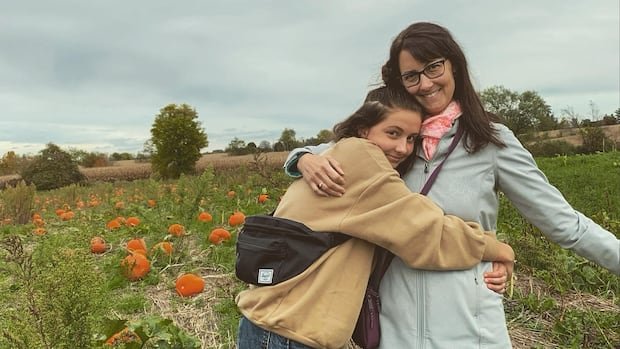

Living 5,000 kilometers away from my mother, I signed the lease for my first apartment on a day when she was rushed to the ICU. Struggling with guilt, I questioned my role as a daughter. My mother’s health had been deteriorating, marked by various medical challenges including multiple sclerosis, bone cancer treated with chemotherapy at a young age, and mental health issues.
The news of her needing a heart transplant shook me to the core as I signed the lease papers for my new apartment in Vancouver. Overwhelmed with emotions, I spent the day gazing out of my dorm room window and the evening in silence with a friend by the beach, feeling the weight of not being by my mother’s side in Cambridge, Ont.
Despite my unconventional parental relationship, my mother remains the most important person in my life. Throughout my teenage years, I took on the responsibilities of caring for her as her health declined, especially before the onset of the COVID-19 pandemic. The decision to move away for university felt like abandoning her, but my stepfather’s encouragement helped me realize that caring for myself was not selfish.
Learning to balance caring for others with receiving care has been a valuable lesson. While our relationship has shifted to more phone conversations and less frequent chats, my mother has always supported my dreams. Adjusting to the new dynamic of my stepfather taking over caregiving duties has been challenging, but we have navigated through the changes.
Despite the guilt of not being physically present during her health crisis, I find solace in the moments shared over the phone, slowly transitioning from a passive observer to an active participant in my own life. The guilt lingers, but I am beginning to embrace the journey of self-care and growth.
If you have a personal story that can inspire or help others, we welcome your submissions. Find out how to share your story with us [here](https://www.cbc.ca/news/first-person-faq-1.5927006).