

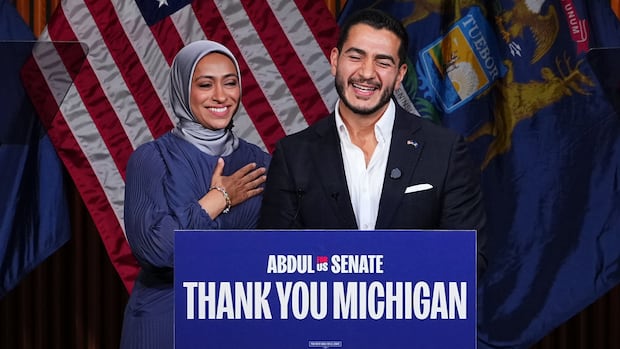

On Tuesday night, the Democrats gained control, achieving a majority in both the Senate and the House of Representatives during the U.S. midterm elections, as reported by three American networks.
The Democrats successfully turned key Republican strongholds, notably in Texas, where Democrat James Talarico emerged victorious against Republican state attorney general Ken Paxton in the Senate contest.
These outcomes could diminish U.S. President Donald Trump’s influence, although he has demonstrated a capacity to act independently of Congress through mechanisms like executive orders.
Washington correspondents Katie Simpson, Willy Lowry, and Paul Hunter analyze what these results indicate about American voter sentiment, the potential trajectory of Trump’s presidency over the next two years, and the implications for Canada-U.S. relations.
We have summarized some key points below, edited for brevity and clarity. Listen to the complete podcast discussion here.
Paul Hunter: What’s the next step? I think it’s reasonable to say that people envisioned Trump’s name on the ballot, as he directed, and now we see the electoral map. Is the Trump influence waning at this juncture? Katie, what are your thoughts?
Katie Simpson: What Republican lawmakers who managed to retain their positions do in the upcoming weeks and months will be very revealing. Politicians who aim to stay in office often adapt to what is necessary to win elections. If aligning with Donald Trump no longer proves beneficial for their electoral prospects, and if we witness a shift from Republican lawmakers who are ready to oppose Trump, that could suggest that the MAGA movement is facing significant challenges.
This will likely affect who leads the Republican Party as we approach the 2028 presidential election.
For a Canadian audience, I can’t resist discussing trade and tariffs — I wonder if we might see some resistance from the surviving Republicans, particularly those from states heavily affected by the trade war, as they could begin to distance themselves or leverage whatever influence they possess to counteract tariffs impacting their communities, possibly leading to a broader decline of what we observed last night.
Willy Lowry: I believe it somewhat hinges on the actions of the Democrats in the coming months and years. If they pursue legal actions or impeachments against Trump and some of his cabinet members, it might stoke the flames of MAGA and help the party regroup around that narrative.
Conversely, if they choose not to go down that path, it’s clear that what transpired last night stemmed not so much from MAGA or Trump’s personal allure, but rather from the impact of his policies on voter decisions, which is arguably more damaging.
And as we discuss this, it all comes back to the economy. As you often say, Paul, people cast their votes based on their financial situations. Voters we spoke to were acutely aware that rising gas prices, diesel costs, and grocery expenses were directly influenced by the U.S. conflict in Iran and the president’s tariff policies. American voters recognized this reality yesterday.
Paul Hunter: Another intriguing element is whether the events of last night will have repercussions for the upcoming presidential campaign in 2028. This is the Democrats’ opportunity to demonstrate their reliability with the platform they have been granted. Meanwhile, Republicans must also evaluate their identity and present a compelling case for why voters should support them in the next election.