

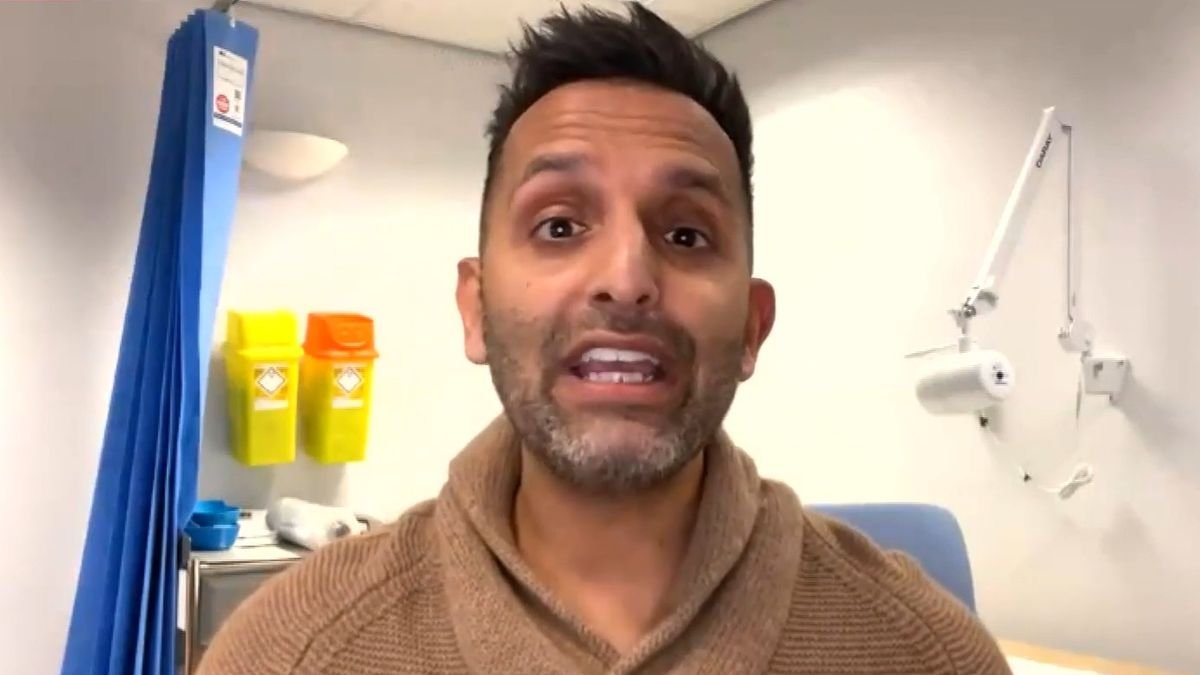

Dr. Amir Khan, a renowned NHS GP and the resident doctor on ITV, recently shed light on a commonly overlooked medical issue affecting women. During a discussion on the No Appointment Necessary podcast with presenter Cherry Healey, Dr. Khan delved into the topic of ADHD.
In a social media clip, Dr. Khan elaborated on how hormonal changes can influence the manifestation of ADHD symptoms in women. He highlighted the phenomenon of symptoms being masked during certain phases, only to intensify during menopause. This dynamic often leads to a delayed diagnosis for many women.
Women with ADHD often become adept at concealing their symptoms through various coping mechanisms to conform to societal norms, making it challenging for others to identify their condition.
ADHD, or attention deficit hyperactivity disorder, is characterized by differences in brain function. The NHS explains that individuals with ADHD may struggle with concentration and restlessness, but there are strategies available to help manage these symptoms.
While ADHD is more commonly diagnosed in men, women often bear a heavier burden due to undiagnosed ADHD persisting for extended periods. On average, women are diagnosed with ADHD around the ages of 36 to 38 if not identified during childhood.
According to the Berkshire Healthcare NHS Foundation Trust, women with ADHD may exhibit similar symptoms as men but tend to internalize their struggles to conform to societal expectations. This internalization leads to the adoption of compensatory behaviors that can mask their challenges, complicating their emotional well-being.
Dr. Khan emphasized on the podcast that hormones play a significant role in how ADHD symptoms manifest in women. He explained how estrogen impacts the brain’s dopamine signaling pathway, affecting symptom management. Hormonal fluctuations during menstruation and menopause can significantly influence the visibility and intensity of ADHD symptoms, making masking efforts exhausting.
By acknowledging the impact of hormones on ADHD in women, Dr. Khan highlighted the need for greater recognition and understanding of this prevalent yet underdiagnosed medical condition.