


Habiba Nosheen is well-acquainted with the art of storytelling through film.
A former investigative journalist (including a stint with CBC’s the fifth estate) and a documentarian, the Emmy and Peabody award-winning filmmaker has ventured into war zones, covered systemic sexual violence, and highlighted the exploitation of some of the world’s most vulnerable populations.
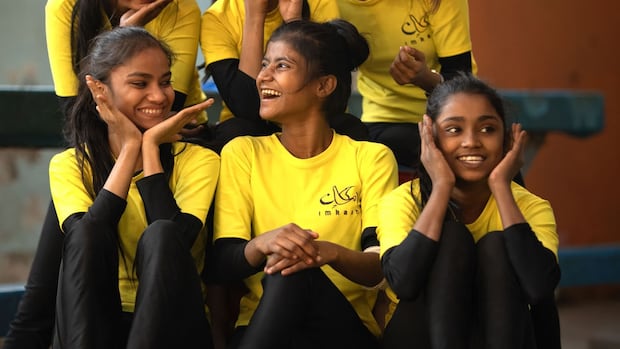
In her latest project, however, Nosheen aimed to shift her focus. The outcome is The Gymnasts of Fisherman Colony, which premiered on CBC’s The Passionate Eye on Wednesday; it centers on three girls in Pakistan who are defying gender stereotypes through gymnastics training.
While the documentary touches on systemic issues—such as the struggles of stateless children lacking citizenship and official recognition—it adopts a more personal perspective compared to Nosheen’s earlier works.
CBC News engaged Nosheen in a conversation about the process behind the documentary.
This interview has been condensed for brevity and clarity.
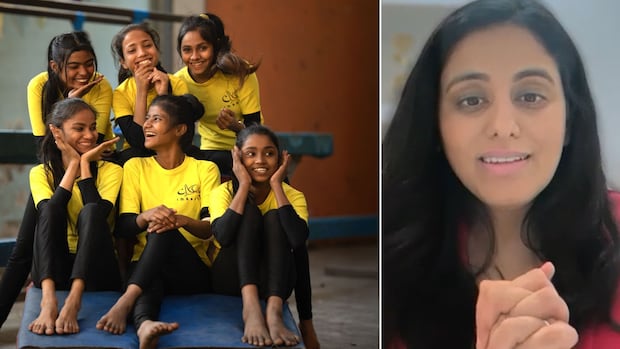
Emmy-winning filmmaker Habiba Nosheen speaks with CBC about her new documentary, The Gymnasts of Fisherman Colony. The film, executive produced by activist Malala Yousafzai and actress Mariska Hargitay, highlights young female gymnasts in Pakistan.
This documentary represents a shift from your previous works—it’s more uplifting. Was that a deliberate choice?
This is the first storytelling project I’ve completed that my children can actually watch [laughs]. It definitely marks a shift from my usual focus on investigative journalism.
Upon reflecting on my body of work, I realized there was a notable absence of joy. I hadn’t delved into narratives showcasing brown women experiencing genuine happiness. I wanted to create something that was grounded in that. While I can’t gloss over reality, the film captures nuances, and the lives of the girls in the documentary encompass both challenges and triumphs. However, it leans toward the lighter side.
This piece is highly character-driven, especially focusing on the three girls we follow closely. Can you tell me about entering their world and establishing that bond? How did you achieve such intimacy and connection?
Ten years ago, I adopted my daughter from Pakistan. The woman featured in the documentary, Tahera Hasan—who founded the incredible school highlighted in the film—was my adoption attorney.
When I learned about this community of stateless children struggling for access to education and sports, I traveled to Pakistan, met the community, and felt compelled to share their story. I know that other filmmakers had approached her over the years to create this documentary, but I believe that my previous relationship with Tahera—as someone genuinely concerned about these issues independently of my journalism—helped her to trust me. That trust facilitated my entry into the community.
I was unaware of the stateless challenges faced by the Bengali population in Pakistan, despite living only 20 minutes away from them. It struck me that if I was unaware, many others likely were too, making their story essential to tell.
We’re witnessing a fascinating era for documentaries. With films like You Can See Everything emerging as major hits, and Alex Gibney’s Musk sparking significant reactions, albeit not achieving similar box office success, how do you view the current documentary landscape?
As a seasoned documentarian, how do you find the experience of creating and distributing documentaries today compared to the past?
Technological advancements have certainly simplified various aspects of documentary filmmaking. However, when it comes to funding and distribution, there is a stark contrast. Documentaries focusing on celebrities or true crime often secure funding more easily. Unfortunately, producing films that are subtitled or from different countries continues to present challenges in the arts. I believe the greatest obstacle we face as documentary filmmakers is telling stories that extend beyond the conventional expectations of the documentary audience.
There are fewer buyers for documentaries now compared to five or six years ago, which has undeniably complicated the landscape.
With prominent figures like activist Malala Yousafzai and actress Mariska Hargitay involved, how has their collaboration influenced the documentary and its outreach?
We are incredibly thankful that they recognized something special in this documentary and chose to support it with their names.
Typically, in documentaries, they come on board after production is complete and have a chance to view the film. When they watched it before its premiere, they saw something that inspired them and decided to lend their names. This gesture is profoundly moving. Their diverse backgrounds make their commitment to uplifting the stories of these girls in Pakistan especially significant for us.
Have the subjects of this documentary seen the film? What were their reactions to seeing their stories portrayed on screen?
Sonia, one of the girls featured, attended the Tribeca world premiere in New York. Just before the Q&A session, she shared that she had never been to a movie theater before, making the documentary about her the very first film she ever watched. I jokingly said, ‘Good luck topping that!’ when she eventually sees Spider-Man or something similar.
It was a truly beautiful experience to share that moment with her and Dara in a theater. They deserve the recognition this film provides because they and their community have remained largely unseen for far too long. I feel honored that they entrusted us with their story.