

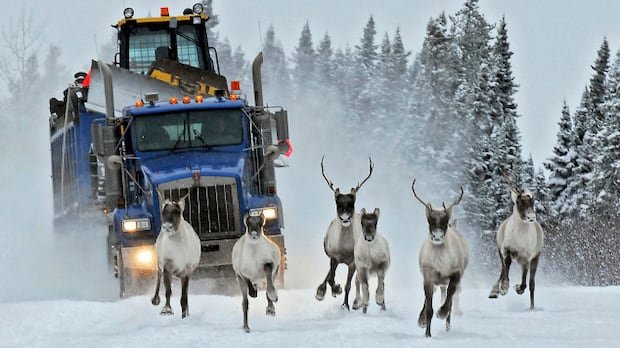

A study revealed that despite being classified as endangered in Canada, many species face delays in the decision-making process regarding their protection, leading to significant impacts on their changing habitats. Out of 288 species assessed as at risk since 2017, only 17 have progressed to the final listing decision by the federal cabinet body, the Governor in Council, within the recommended timeline, while 153 species are still awaiting decisions as of Jan. 25, 2025.
This delay affects various species like caribou, beluga whales, and lake sturgeon, which are in critical need of protection measures for their survival and recovery. The study highlights a bottleneck in the Species at Risk Act (SARA) where there is a lack of a statutory deadline for a key stage in the assessment process.
The research points out that the government consistently fails to meet its own recommended timelines, causing prolonged uncertainty for species like the Saskatchewan-Nelson River population of lake sturgeon, designated as endangered in 2017. These delays impact the implementation of crucial habitat protections necessary for the survival of these species, especially in the face of challenges such as dams and hydro projects disrupting their natural habitats.
The protection measures under SARA, triggered by listing endangered or threatened species, include prohibitions against harming or capturing them, along with the requirement for a recovery strategy identifying critical habitats. The study emphasizes the importance of timely decision-making for aquatic species, as the core protections under SARA apply to them nationwide.
Furthermore, the study highlights the need for Indigenous consultation in the species-listing process, underscoring the significance of protecting not just individual species but also cultural connections and traditions. The lack of transparency in delays and the absence of clear reasons for prolonged assessments raise concerns about the decision-making process and the balance between conservation efforts and economic interests.
Efforts are being made to address these delays, with ongoing assessments and proposed listings for aquatic species to expedite the protection process. However, there is a call for a more efficient and timely decision-making system to ensure the necessary protections are in place for at-risk species.
The study urges for a more streamlined approach to species protection to prevent further delays that could jeopardize the survival of vulnerable species and their habitats.