

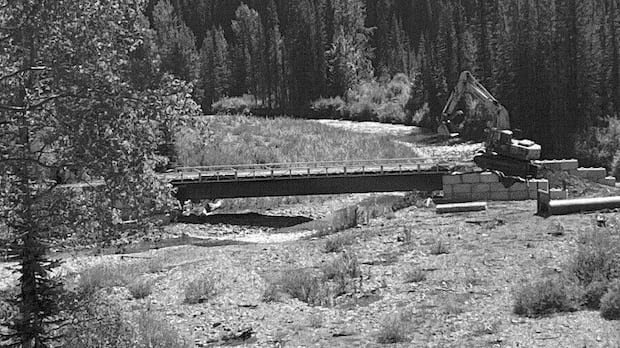

Environmental groups in Alberta are advocating for stronger enforcement measures to safeguard endangered species following the suspension of an investigation by Fisheries and Oceans Canada (DFO) due to resource constraints. The DFO’s two-year inquiry into an unauthorized bridge constructed by Spray Lake Sawmills over the Highwood River in Kananaskis Country revealed evidence of federal law violations and disruption of critical habitat for threatened bull trout, as per internal documents obtained by CBC.
Although field staff at DFO recommended pursuing charges in the Highwood case, the department redirected its focus to other investigations citing limited resources. An email from an outgoing investigator expressed hope that the Edmonton team would conclude the investigation, but later, the Edmonton office advised halting the inquiry to allocate resources to different priorities.
Despite disappointment over the investigation’s suspension, conservationists emphasize the urgency of effectively enforcing existing laws to protect endangered species. Violations of the Species at Risk Act can result in substantial fines and penalties, underscoring the importance of stringent enforcement to ensure habitat preservation and species recovery. Environmental advocates stress the necessity for proactive enforcement by government agencies like DFO, as relying solely on public reports is insufficient.
The Highwood region, home to imperiled bull trout, faces threats from habitat degradation caused by factors like erosion and sedimentation. Concerns persist over the lack of robust enforcement mechanisms to address environmental violations effectively, with calls for increased accountability and stricter penalties to deter further harm to vulnerable species.
The issuance of logging permits despite environmental concerns has sparked legal challenges, reflecting the ongoing tension between conservation efforts and resource exploitation. Environmental groups contesting projects in court highlight the need for thorough evidence-based assessments to safeguard critical habitats and prevent irreversible harm to endangered species.
In addressing the complex interplay of conservation, commercial activities, and tourism in sensitive ecosystems like Kananaskis, experts caution against compromising species survival for economic gains. Balancing multiple competing interests in a limited geographical area poses challenges, necessitating a more holistic approach to environmental stewardship to ensure the long-term viability of at-risk species.