

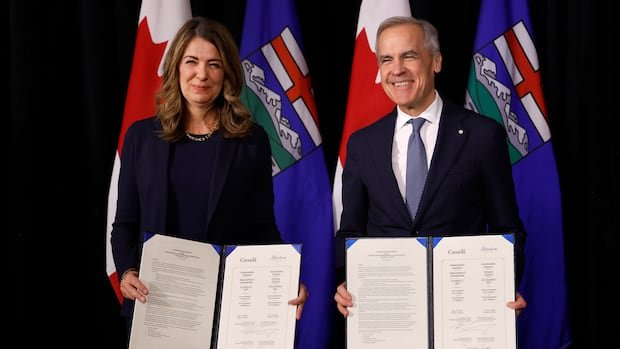

A coalition representing numerous First Nations in British Columbia is urging the governments of Ottawa and Alberta to cease their efforts to progress the West Coast pipeline, citing concerns that expanding the oil industry will hasten climate change and related disasters.
In a letter addressed to Prime Minister Mark Carney and Alberta Premier Danielle Smith, the Union of British Columbia Indian Chiefs emphasized the extensive and detrimental effects of expanding fossil fuel production, extending beyond individual territories. They highlighted the existing impacts of climate change, such as wildfires, floods, and rising sea levels, and asserted that every new fossil fuel project exacerbates the crisis.
The letter was issued following the declaration of a state of emergency by the B.C. government due to over 100 wildfires burning across the province, prompting the evacuation of nearly 25,000 individuals from two communities east of Vancouver. The Indigenous group opted to release the letter on the International Day of the World’s Indigenous Peoples to reiterate their opposition to the pipeline, citing inadequate consultation and cooperation with First Nations by the government.
According to the group, the government has already advanced the project’s corridor, identified potential development partners, and publicly advocated for its economic viability. They stressed that meaningful consultation cannot occur if First Nations are only involved in discussions regarding the predetermined course of the project.
Responding to these concerns, Karah Folk, spokesperson for Alberta’s Ministry of Indigenous Relations, highlighted the long-term benefits that the project could bring to Indigenous communities, ensuring ongoing consultation as the project progresses.
While Carney and Smith’s offices did not immediately respond to requests for comment, the proposed 1,250-kilometre West Coast pipeline aims to transport over one million barrels of crude oil daily from Bruderheim, Alberta, to a port near Delta, British Columbia, for global export. The Alberta government serves as the project’s proponent, with ownership shared by Trans Mountain, the Alberta Petroleum Marketing Commission, and Pembina Pipeline Corp.
Last week, Ottawa took steps to designate the project as being of national interest under the Building Canada Act, potentially expediting its development and bypassing certain environmental regulations. The government is currently soliciting public feedback on this designation until mid-September.
Additionally, the pipeline’s progress is contingent on a carbon storage initiative known as Pathways, designed to mitigate emissions from increased oil production by transporting them to an underground storage hub near Cold Lake, Alberta. Despite these efforts, a think-tank raised concerns that the emissions resulting from expanded production facilitated by the pipeline would outweigh the benefits of the Pathways project.
The West Coast pipeline is one of several projects approved or proposed under Carney’s Major Projects Office in Calgary, deemed crucial for national interests, economic growth, Indigenous advancement, and environmental objectives. The Building Canada Act provides the regulatory framework for these projects, which include infrastructure developments in various regions across Canada.