

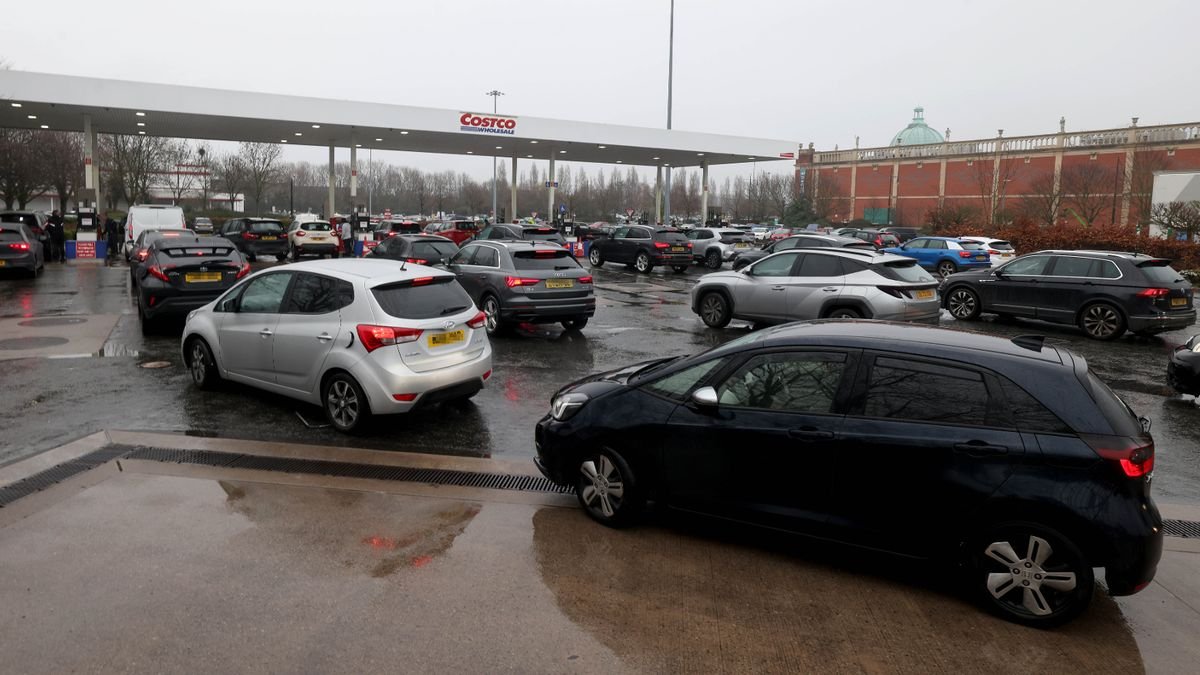

Forecourt operators are being cautioned against capitalizing on the surge in oil prices, with reports indicating that some have raised pump prices by almost 9p per liter recently.
Drivers are witnessing a gradual increase in petrol and diesel prices due to the repercussions of the conflict in the Middle East. According to the RAC, the average price hike for petrol has been around 2.5p per liter and over 3p for diesel from last Saturday to this Wednesday. However, certain forecourts have recorded even higher price elevations.
Howard Cox, the founder of FairFuelUK, highlighted the dangers of “opportunistic profiteering,” citing reports from over 120 campaign supporters across the UK who have observed petrol prices surging by 6.7p and diesel by 8.8p within 48 hours.
Daisy Cooper, the Lib Dem Treasury spokesperson, expressed concerns over forecourts exploiting consumers by raising prices excessively, especially in times of economic strain. She emphasized the need for regulatory intervention to prevent fuel retailers from taking advantage of already burdened households.
Gordon Balmer, the executive director of the Petrol Retailers Association, pointed out that the Middle East conflict has pushed up wholesale petrol and diesel costs, necessitating a rise in pump prices. This increase in fuel prices is expected to have adverse effects on the economy and household budgets already under pressure.
The PRA has urged Chancellor Rachel Reeves to cancel a scheduled fuel duty increase later this year to alleviate the financial strain on consumers.
Oil prices continued their upward trend on Thursday, with Brent crude surpassing $83 per barrel. The sharp spike in oil prices, coupled with soaring wholesale gas prices, has raised concerns about potential hikes in energy bills for households in the near future.
Dan Coatsworth, head of markets at broker AJ Bell, highlighted the rapid surge in Brent Crude prices, indicating potential challenges ahead for energy consumers. The uncertain situation in the Middle East has left investors grappling with the possibility of a prolonged energy crisis or a short-term shock.
Amid ongoing supply risks following the Middle East attacks, crude oil markets remain unsettled, particularly regarding trade routes through the Strait of Hormuz.