

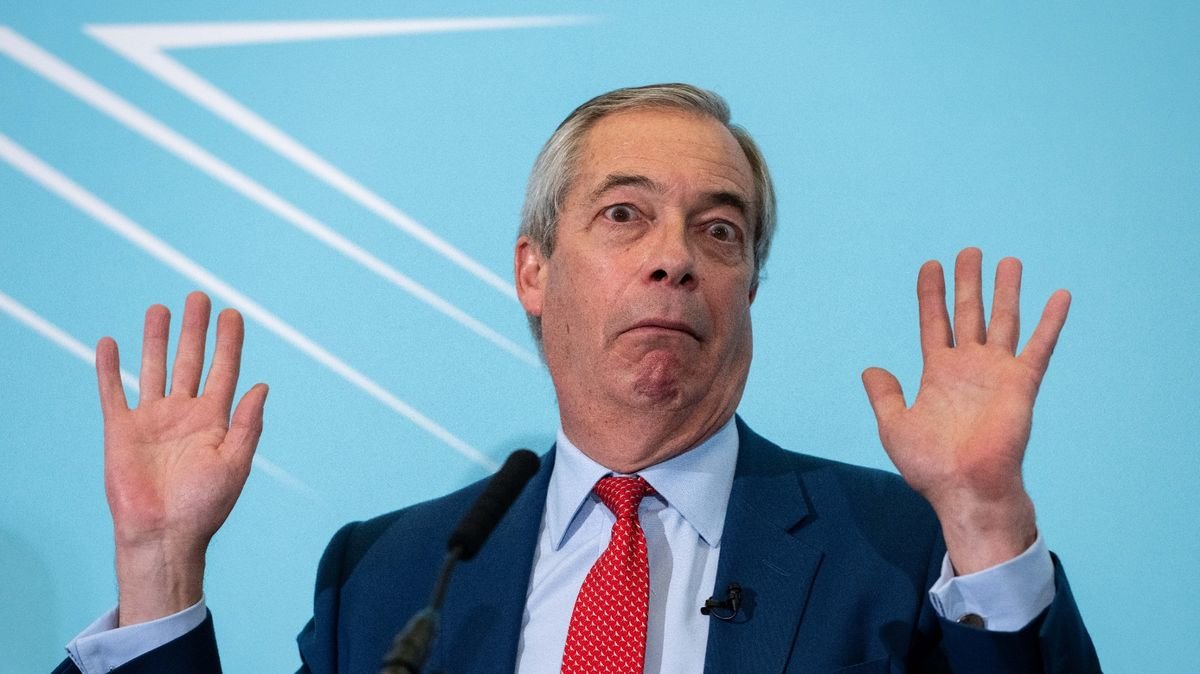

Another Conservative figure, Nadhim Zahawi, has made the switch to Reform UK, led by Nigel Farage, marking a significant move within the political landscape. Zahawi, a former Cabinet Minister known for his role in overseeing the Covid vaccine distribution during the pandemic, faced controversy when he was dismissed from the Government for not disclosing that his tax matters were under HMRC investigation while serving as Chancellor. He later settled with HMRC, paying a substantial £5 million, including penalties.
Zahawi’s history includes claiming expenses for electricity bills related to his stables in 2013 and facing criticism for attending a men-only event in 2018 where reports of harassment emerged. Despite his affluent background and ties to business, Zahawi’s alignment with Reform is seen as a strategic move to attract donors and reshape the party’s image, though some view him as disconnected from ordinary citizens.
While Farage positions Reform as an alternative voice for disenfranchised individuals, the influx of former Tories like Zahawi raises questions about the party’s true identity. Zahawi’s departure sparked backlash from the Conservative camp, with suggestions that he sought a peerage before defecting, a claim he refutes.
Notably, Zahawi joins a growing list of Boris Johnson loyalists who have shifted allegiance to Reform, indicating a lack of confidence in Johnson’s political future. In justifying his switch, Zahawi expressed concern about the state of the country, a sentiment that overlooks his past support for Tory leaders. Whether the public will embrace Zahawi’s assertion that Reform offers the cure for Britain’s issues remains uncertain.