

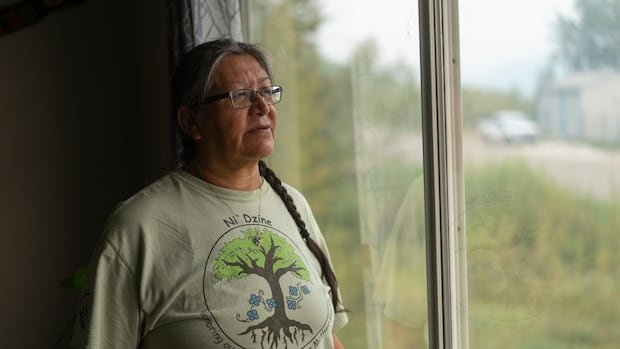

Residents of Fort McKay, an Indigenous community situated in the heart of Alberta’s oilsands region, are facing concerning levels of dust pollution, according to new research. The study, recently published in Atmospheric Pollution Research, highlights that the community is experiencing high levels of dust pollution exceeding regulatory guidelines for air quality.
Led by University of Toronto PhD candidate Kristin Iorio and independent researchers in Alberta, the study reveals that Fort McKay is frequently hit by severe dustfall events driven by large particles of dust. These thick, coarse particles settle over the community in intense peaks, not effectively monitored by conventional methods.
Over a 24-month sampling period, Fort McKay consistently surpassed Alberta Ambient Air Quality Guidelines for dustfall, with levels exceeding acceptable thresholds nearly 20% of the time. The research, conducted in collaboration with the Wood Buffalo Environmental Association and the Fort McKay Sustainability Department, utilized various methods, including dustfall buckets and ambient sampling tools, to assess dust exposure across different communities in the region.
While Alberta regulates fine particulate matter (PM2.5) levels, there are no specific rules for larger particles (PM10) that can pose health risks when inhaled. Industrial activities, construction work, and mining operations contribute to this coarse dust pollution, which can impact respiratory health.
The study recommends improved monitoring and regulatory measures to address the gaps in tracking dust pollution effectively. It suggests establishing new air quality objectives for larger particles and enhancing real-time monitoring in Fort McKay to pinpoint pollution sources and alert residents during severe events.
Experts emphasize the need for continuous monitoring and updated guidelines to address episodic industrial pollution effectively. Further research is warranted to investigate the health implications of dust pollution on local communities like Fort McKay. While some officials have refrained from commenting on the study, Alberta Environment authorities acknowledge the importance of evaluating monitoring approaches and air quality guidelines based on scientific evidence.
The study’s findings underscore the urgency for enhanced monitoring and regulatory actions to safeguard the health and environment of communities impacted by dust pollution in Alberta’s oilsands region.