

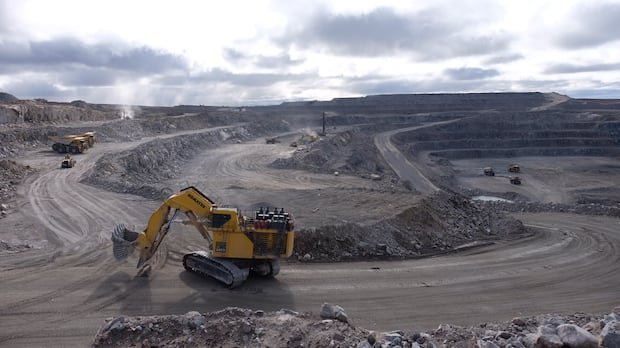

The Gahcho Kué diamond mine in the Northwest Territories recorded a $120.6 million net loss during the second quarter of 2026, as reported by Mountain Province Diamonds, one of the mine’s co-owners. Mountain Province Diamonds holds a 49% interest in Gahcho Kué, while De Beers Canada owns the remaining share. Earlier figures show a $65.1 million net loss in the first quarter of 2026 and an overall net loss of approximately $280 million in 2025. Gahcho Kué stands as the sole operational diamond mine in Canada.
In light of challenging market conditions for diamond producers, Mountain Province Diamonds emphasized in its second-quarter results announcement that the diamond market continues to pose difficulties, partly due to U.S. tariffs causing geopolitical and economic uncertainties.
Despite the financial setback, Jonathan Comerford, the president and CEO, noted a positive development in diamond prices following the mine’s recent diamond sale. Comerford attributed this improvement to a decrease in the global diamond supply. While cautious about the potential for a sustained market recovery, he expressed optimism based on the recent sales performance.
The tightening supply scenario in the diamond industry, marked by closures or halts in operations of various mines globally, may work in favor of remaining mines such as Gahcho Kué. Independent diamond industry analyst Paul Zimnisky reported that at least 10 major diamond mines worldwide have ceased operations or suspended production, indicating a significant decrease in diamond production this year compared to the last four decades.
Zimnisky highlighted the recent trend of higher-quality diamonds outperforming the market in terms of price appreciation. However, he also noted a resurgence in the demand for lower-quality and smaller diamonds due to the supply reduction. Despite these early positive signals, Zimnisky cautioned that sustained relief for producers might require further developments on the demand side.
To achieve a sustainable recovery in diamond prices, Zimnisky emphasized the necessity for increased demand in the market. He noted that historically, De Beers’ role in financing diamond marketing has played a crucial part in stimulating demand. Zimnisky suggested that until the conclusion of De Beers’ sale, major marketing initiatives from the company might be limited. Marketing efforts are particularly vital in the luxury goods sector like diamonds, where consumer emotions heavily influence demand trends.
Zimnisky concluded that while he does not foresee significant price declines from current levels, a new demand catalyst is essential to drive diamond prices to desired levels.