

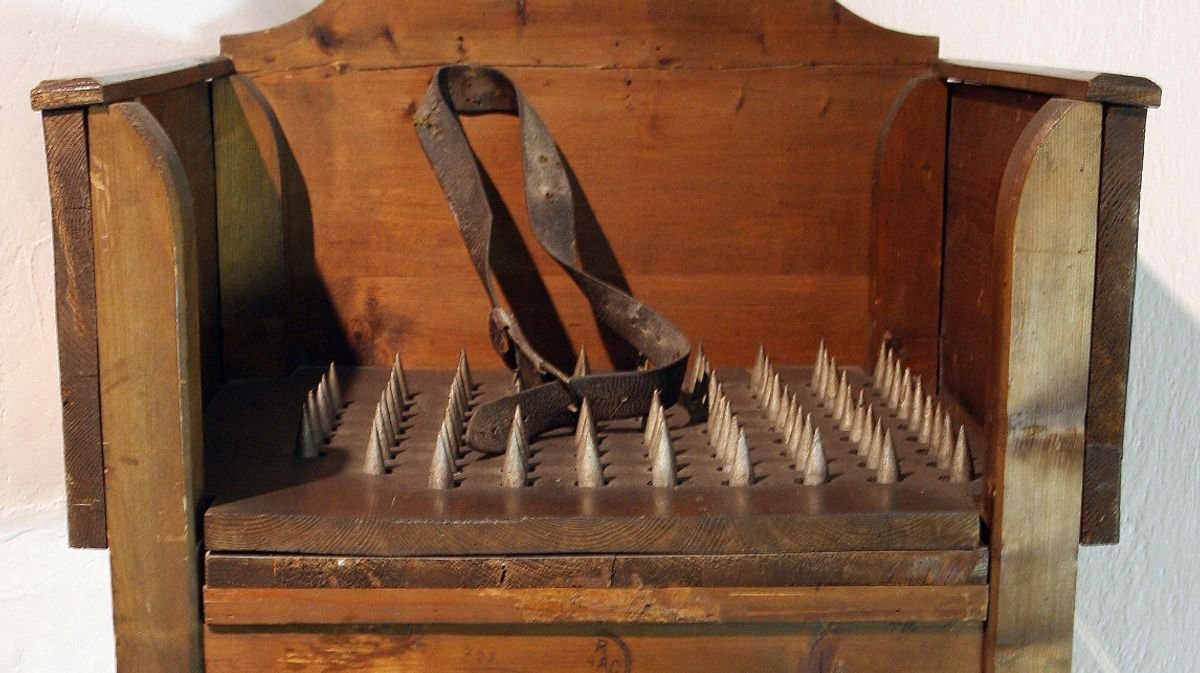

In the annals of history, tales of harsh and unconventional penalties abound. One such instance involved György Dózsa, who dared to rebel against a tyrannical regime and suffered unimaginable torment, with his allies compelled to participate.
Dózsa’s uprising was no ordinary revolt; it aimed at upending the social hierarchy, advocating for peasant rights, abolishing the nobility, and redistributing land from the elite and the Church to the common folk. With a burgeoning peasant army under his command, Dózsa’s movement gained momentum, attracting widespread support and fueling anti-aristocracy sentiments.
His vision was not to rule but to champion the people’s interests. His radical agenda in 1514 included the redistribution of wealth and land, which was revolutionary for its time. In fiery speeches, he denounced the nobility, urging commoners to rise up, seize noble properties, and exact vengeance.
As Dózsa’s forces grew in strength, chaos ensued, with violent clashes leading to the deaths of nobles and the destruction of their estates. To quell the rebellion, the authorities resorted to hiring mercenaries to confront Dózsa’s peasant army, ultimately defeating them near modern-day Timișoara.
The brutal aftermath saw Dózsa subjected to excruciating torture, symbolically humiliated with a scorching iron throne, crown, and scepter. His comrades were then coerced to partake in his agony, forced to consume flesh torn by hot pliers. Those who resisted met a grisly fate, while the rest complied out of fear.
The origins of György Dózsa remain shrouded in mystery, with conflicting accounts of his lineage. Speculations suggest a familial predisposition to rebellion, hinting at the possibility of his brother, János, leading a similar uprising.
The tragic saga of György Dózsa serves as a stark reminder of the brutal consequences of challenging entrenched power structures in history.