


Halifax is urging the provincial government to review its decision to reject a new coastal setback proposal for the municipality, especially now that a prominent development group is supporting the initiative.
In a recent move, Halifax regional council has voted to formally request Nova Scotia’s minister of municipal affairs to reconsider the coastal buffer policies outlined in the city’s original 2025 regional plan. The proposed policy adjustments aimed to expand development setbacks along the coast and water bodies like lakes and rivers from 20 to 30 meters. However, the province turned down the plan in August 2025, citing concerns that the setback increases could potentially hinder development progress.
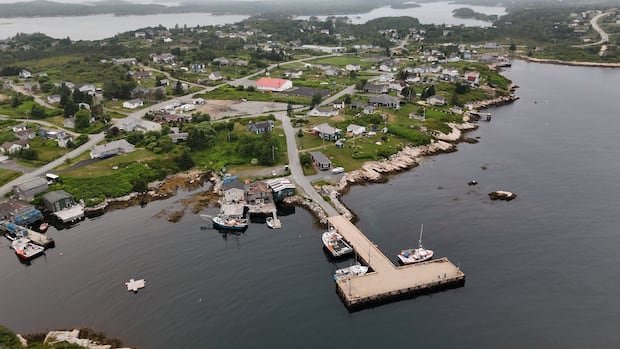
Coun. Nancy Hartling, representing Prospect Road-St. Margarets, led the motion, emphasizing the significance of addressing coastal erosion and storm surge risks across the extensive Halifax coastline. Hartling highlighted the environmental and safety perils posed by these threats and stressed the necessity of advancing the proposed changes.
A study commissioned by Halifax is currently underway to evaluate the impact of the setback modifications on land development and engage with stakeholders, including the development industry and advocacy groups. Despite the study’s expected completion early next year, Hartling advocates for immediate action on the coastal regulations, partly influenced by a supportive letter from a major development industry entity.
The Urban Development Institute of Nova Scotia (UDI) expressed backing for the 30-meter coastal setback in an October 2025 correspondence to Halifax officials and the province, with a provision for flexibility in cases where a site cannot be reasonably developed outside the buffer zone. This aligns with the original regional plan’s stance, allowing for development agreements in situations where setbacks impede reasonable development.
Hartling affirmed that the essential scientific groundwork has been laid to move forward with the proposal, emphasizing that the implementation of a proper coastal setback would not adversely affect new housing projects. While UDI initially lobbied the former municipal affairs minister to reduce the setback increases, multiple council members echoed support for Hartling’s initiative to secure the coastal setback promptly.
However, Mayor Andy Fillmore dissented, suggesting that council should await the study’s findings on both setbacks before making requests to the province to ensure a comprehensive decision-making process. The Progressive Conservative government’s approach of delegating coastal protection responsibilities to municipalities post the Coastal Protection Act’s non-proclamation in 2024 underscores the significance of local bylaws in addressing such issues.
Hartling drew attention to other municipalities like the District of Lunenburg, which have already implemented a 30-meter coastal setback, emphasizing the need for consistent regulation across regions. Although the municipal affairs department is yet to receive a formal request from Halifax regarding the motion, if the province endorses the 30-meter coastal setbacks, the motion calls for staff to present the change for council approval in the future.