

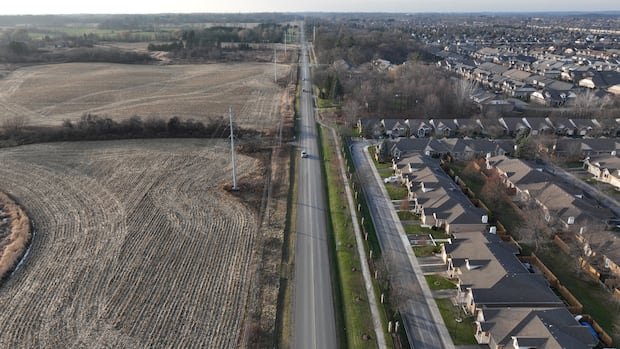

Mayor Andrea Horwath has expressed deep concern over the recent directive from the Ontario Land Tribunal (OLT) mandating an expansion of Hamilton’s urban boundary by 1,600 hectares. The ruling, issued following a hearing on Monday, was a response to developers’ appeal of a 2025 decision by the Hamilton council to reject their request for boundary expansion to facilitate development in Upper Stoney Creek and Mount Hope.
Mayor Horwath criticized the OLT ruling, stating that it undermines the local council’s firm stance on maintaining the urban boundary and raises questions about the democratic process. The city had previously turned down two out of three development proposals in June 2025, including plans for 7,600 homes in the White Church Lands near the Hamilton airport and 40,000 homes in the Elfrida Lands in Upper Stoney Creek. Another proposal for an area in Twenty Road W., submitted in 2020 and appealed in 2024 due to a lack of decision, was also under consideration.
In his ruling, OLT member Eric Crowe justified the expansion as necessary to accommodate a diverse mix of land uses. Developers argued that the expansion was crucial for accommodating residential growth, while the city advocated for referring the decision to its municipal planning process. Mayor Horwath highlighted the city’s existing plan within the current boundary, emphasizing higher density and efficient use of infrastructure to meet development needs.
The OLT ruling has sparked criticism from various quarters, with concerns raised about the impact on issues like climate change, infrastructure, and land use. The decision has reignited debates on urban expansion in Hamilton, with differing views on the balance between housing needs and preserving agricultural land. Councillors have grappled with past decisions on urban boundary expansion, balancing public input and development considerations.
Environmental groups and local advocates have condemned the ruling, labeling it as a setback to Hamilton’s progress in housing development and a challenge to democratic planning processes. The tribunal’s intervention in local planning decisions has stirred controversy, with calls for greater transparency and accountability in land use decisions. The role of appointed officials in shaping the city’s future has raised questions about the balance of power between elected representatives and external bodies.
The ongoing debate over urban expansion reflects broader tensions between development interests, environmental concerns, and community preferences. As Hamilton navigates the complexities of growth and sustainability, the implications of the OLT ruling are likely to reverberate across the city’s planning landscape.