

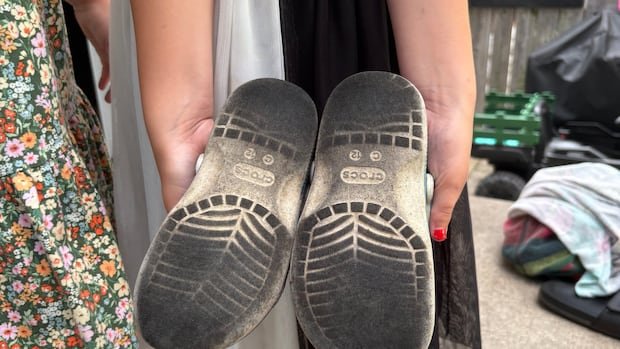

Hamilton Public Health reassured the public that the recent black soot fallout in parts of Hamilton in early July does not pose long-term health risks. Residents have long complained about the periodic presence of a black substance on properties and pets, with the issue resurfacing last month. The Ontario Ministry of the Environment, Conservation and Parks identified Birla Carbon’s emissions as a significant source of the soot.
After evaluating the health impacts of the black particulate matter that affected wards 2, 3, 4, and 6, Public Health concluded that there were no long-term health effects. While some individuals experienced mild symptoms like itchy eyes or a sore throat, there was no increase in visits to emergency departments for severe symptoms.
Dr. Elizabeth Richardson, the medical officer of health, emphasized that the short-term event in July did not result in acute health effects and should not pose long-term risks. Public Health analyzed air quality and weather data, consulted with experts, and reviewed environmental samples, which mainly contained carbon and minimal amounts of sulphur and mineral particles.
A study by McMaster University found toxic chemicals consistent with coal combustion in samples collected in Hamilton. Mayor Andrea Horwath expressed concerns about the soot issue, urging more transparency and stricter pollution regulations. She emphasized the importance of prioritizing public health and considering the suitability of certain industrial activities in the region.