


Rising costs for food and housing have been highlighted as key factors in the affordability crisis. However, recent data from the consumer price index (CPI) reveals that the expenses for maintaining good health have also sharply increased since the peak of overall inflation in June 2022.
The surge in healthcare costs might not be as noticeable to many Canadians, experts suggest. This is partly due to many costs being covered by the public healthcare system, which are not factored into the CPI data. Additionally, out-of-pocket health expenses are often sporadic, unlike regular expenses such as rent or groceries.
According to Jimmy Jean, the vice-president and chief economist at Desjardins Group in Montreal, healthcare prices have been following a steeper upward trend in recent years. This trend is projected to continue growing, especially with the aging population and provincial governments implementing fiscal restraint measures.
While the overall inflation rate has increased by just over 11% since June 2022, the category of health and personal care has seen a much larger rise of over 15%. Specifically, health-care services, including eye exams, physiotherapy, and basic dental care, have surged by 18.5%, nearly on par with food price increases.
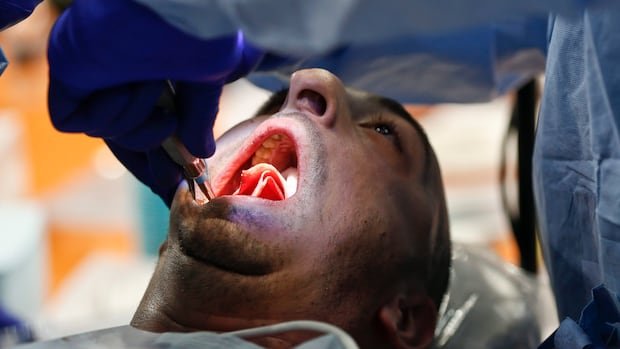
Dental care services and eye care goods have experienced a 20% price hike since June 2022, highlighting a divide between public and private sectors within the healthcare industry. This disparity results in uncontrolled costs on the private side, as observed by Andrew Longhurst from the Canadian Centre for Policy Alternatives (CCPA).
Statistics Canada data indicates that healthcare service prices have consistently outpaced overall inflation for the past two decades. This trend has been driven by factors such as skilled labor costs, which are challenging to reduce for efficiency gains, according to Jean from the Desjardins Group.
The introduction of the Canadian Dental Care Plan in 2024 has not curbed the rise in dental care costs, as prices have continued to climb. The plan, administered by a private insurer, places the responsibility on patients to ensure coverage, leading to additional out-of-pocket expenses for many.
Despite the significant increase in healthcare costs, many Canadians may not be acutely aware of the inflation due to substantial coverage provided by the public system. As a result, out-of-pocket healthcare expenses may seem less burdensome compared to other essential expenses like food and shelter.
Private healthcare spending in Canada is steadily increasing, with individuals bearing a growing share of the financial burden. Longhurst warns that this trend could widen access gaps based on income and affordability, especially if government interventions are not implemented to address the issue.