

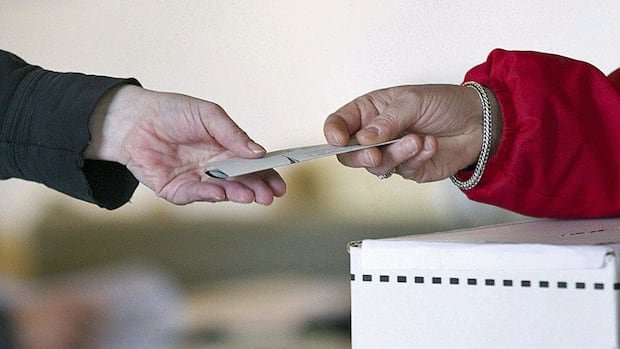

Robinson, aged 28, admitted to abstaining from voting in the most recent provincial election. Reflecting on his past indifference, he now acknowledges a growing political consciousness. The pivotal shift in his perspective occurred after the 2024 U.S. elections, prompting him to prioritize the strained Canada-U.S. relationship, challenges faced by immigrants in Canada, and the escalating homelessness crisis affecting over 12,000 individuals in Quebec.
The harsh reality of the housing market hit Robinson hard when he lost his apartment in August due to unmanageable rent hikes. Struggling to secure new accommodation, he has been residing in transitional housing at the Welcome Hall Mission since then. To protect his privacy, Robinson is only identified by his first name, as his family remains unaware of his housing situation.
Feeling a newfound sense of obligation, Robinson emphasizes the importance of making informed voting decisions, especially in the current climate. He highlights the generational responsibility to shape the future through meaningful participation in the electoral process.
Navigating the voting process without a fixed address in Quebec requires eligible individuals to register with a permanent address and present valid identification. For those lacking a stable residence, a signed statement from a community center confirming their occasional use of services can suffice. These individuals can visit the corresponding office of the returning officer on specific dates to register and cast their votes.
Sam Watts, the CEO of Welcome Hall Mission, prioritizes facilitating voting accessibility for individuals determined to participate in the election. Underlining the organization’s commitment to assisting voters, Watts emphasizes the importance of providing support and guidance to those in need, including helping them obtain necessary identification documents.
Despite efforts to introduce a pilot project allowing voting booths in community organizations and shelters, logistical challenges delayed its implementation for the upcoming provincial election. The unanimous approval of all political party leaders in the National Assembly is essential for any changes to the voting procedures as per Quebec’s electoral law.
Robinson expresses readiness to reach the polling station but advocates for further reducing barriers to voting for marginalized communities. Recognizing the significance of every vote, he emphasizes the potential impact of collective participation in shaping electoral outcomes.
Watts echoes the sentiment that voting is a fundamental right for all Quebecers, particularly those facing adversity. He asserts that individuals experiencing hardships should have a voice in shaping policies and addressing societal challenges effectively.