

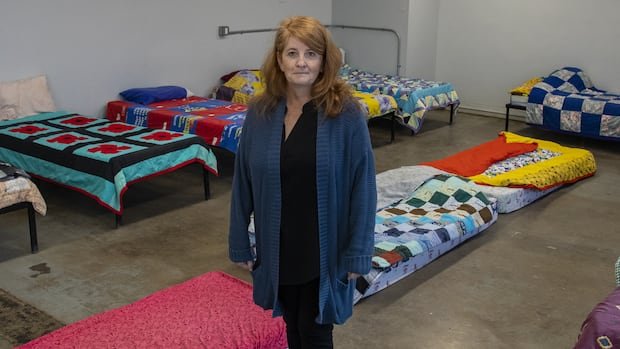

The count of individuals experiencing homelessness in the largest city of southwestern Manitoba, Brandon, seems to have decreased, as per a recent survey. The latest point-in-time enumeration in Brandon identified 205 homeless individuals, a decrease of around 10% from the previous year’s count of 229. However, there was a significant 76% increase in the utilization of warming spaces, transitional housing, and homelessness services.
Despite these findings, the report highlighted limitations of the count, emphasizing the challenge of capturing “hidden homelessness” like couch-surfing. Advocates working with the homeless population in Brandon acknowledged the possibility of underrepresentation in the count but stressed the urgent need for enhanced resources in the city.
Judy Durston, a resident who has faced difficulties accessing essential services like housing, addiction recovery, and mental health support, shared her struggles of being on waitlists while trying to secure stable accommodation.
A survey conducted by Abacus Data for CBC revealed that the perception of homelessness worsening is prevalent among Brandon residents. This perception contrasts with data from the Homeless Individuals and Families Information System, indicating an 11% decrease in overall homelessness in 2026 compared to the previous year.
Rebecca Anhalt, a senior data analyst with HIFIS, raised concerns about the underrepresentation of individuals in encampments during the point-in-time count, possibly skewing the numbers. The lack of a dedicated daytime drop-in center in Brandon was also highlighted as a gap in the support system.
To address the increasing unsheltered homelessness in Brandon, local partners have initiated an encampment outreach program to engage with vulnerable residents more effectively.
Samaritan House Ministries Safe and Warm Shelter, which currently accommodates around 20-25 people in the summer, anticipates a rise in demand during colder weather. Despite collaborative efforts among agencies, there is a systemic shortage of resources in Brandon, emphasizing the need for support and funding from various government levels.
Perry Strand, formerly homeless and now residing in transitional housing, advocates for breaking down barriers that prevent individuals from accessing permanent housing. He emphasizes the importance of providing opportunities for people experiencing homelessness to rebuild their lives.
In conclusion, the ongoing struggle with homelessness in Brandon underscores the need for continuous support, increased resources, and a comprehensive strategy to address the complex challenges faced by the homeless population in the city.