

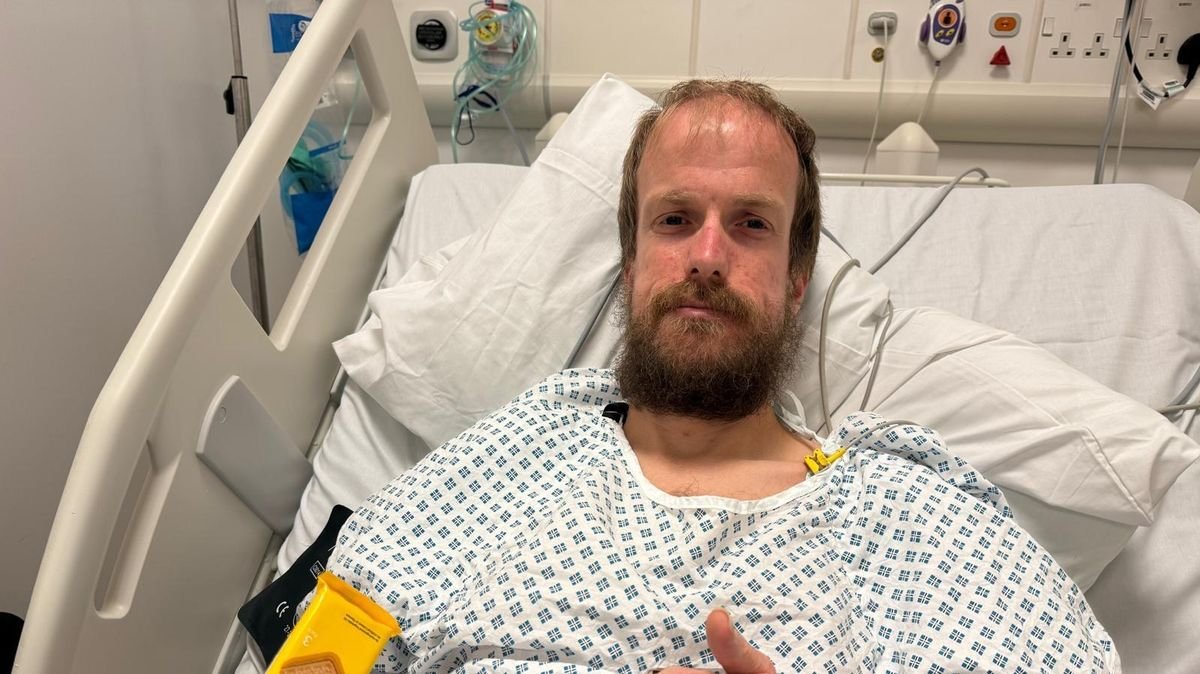

The House of Lords is facing criticism for allegedly obstructing the Assisted Dying bill by introducing an unprecedented 942 amendments.
A terminally ill music teacher expressed deep concern over potential hindrances to the passage of the Terminally Ill Adults (End of Life) Bill, citing worries about unbearable pain and the impact on his family. The teacher, Nathaniel Dye, emphasized the urgent need for legislation to alleviate suffering for individuals facing terminal illnesses.
Dye, an MBE recipient from east London, highlighted the urgency of the bill, stating that delaying its approval could have dire consequences for terminally ill patients. He urged the House of Lords to consider the overwhelming public support for the bill and avoid impeding its progress with excessive amendments.
More than 100 terminally ill individuals and their families have signed a letter urging the Lords to prioritize their voices in the decision-making process. They emphasized the importance of including the perspectives of those directly affected by end-of-life care decisions.
The debate surrounding the bill has garnered significant attention, with advocacy groups emphasizing the need for a compassionate and evidence-based approach to end-of-life care legislation. Dignity in Dying CEO, Sarah Wootton, emphasized the importance of centering the discussion on the needs of terminally ill individuals and their families.
The ongoing discussions in the House of Lords have sparked debate over the role of unelected chambers in shaping legislation. As the bill progresses through the legislative process, concerns have been raised about potential delays and amendments that could impact its effectiveness in addressing end-of-life care issues.
Individuals with personal experiences related to end-of-life care have shared poignant stories to underscore the urgency of passing the bill. Their accounts highlight the need for compassionate and timely decision-making to ensure that individuals facing terminal illnesses have access to dignified and peaceful end-of-life options.