

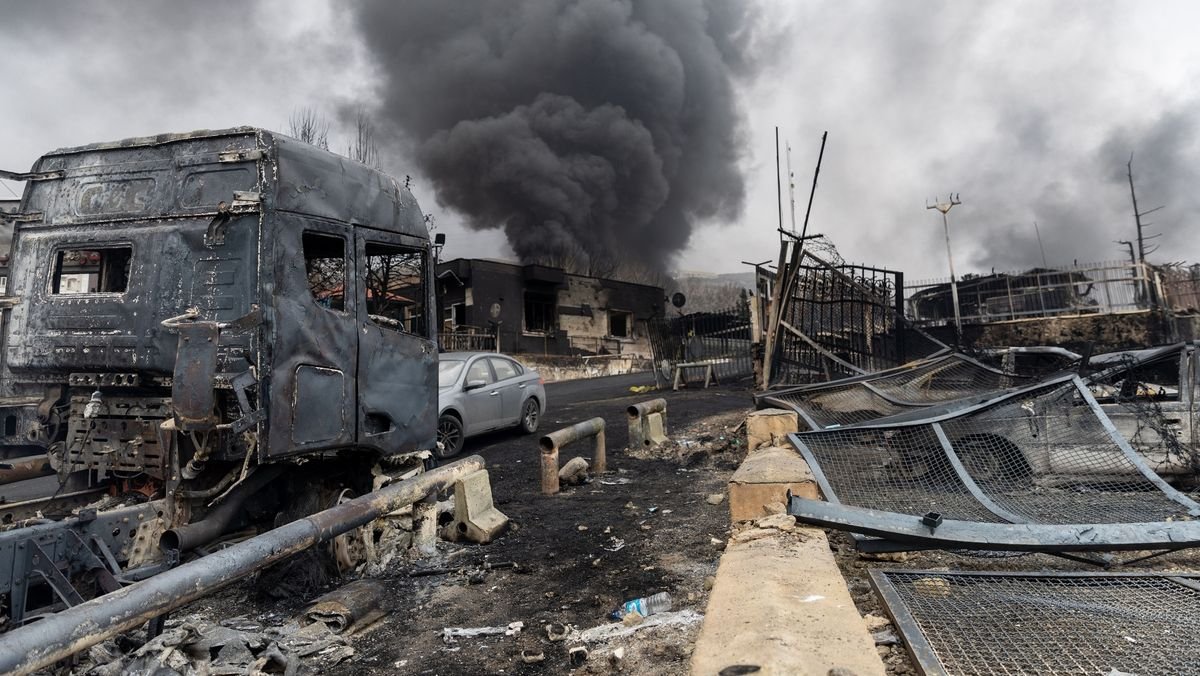

Amid the ongoing US-Israeli conflict with Iran, it is evident that Tehran has strategically prepared for a prolonged battle against the stronger opposition. Turkey recently intercepted a second Iranian ballistic missile within its borders, expanding the conflict and refuting the premature claims of victory by the US. This escalation underscores the potential for a regional war to impact Europe, leading to chaos and economic repercussions.
Recognizing the futility of engaging in a conventional warfare with superior forces, Iran strategically dispersed its Islamic Revolutionary Guard Corps across the country. Despite US assertions of eliminating top leadership figures like Ayatollah Ali Khamenei, the IRGC continues to operate effectively, inflicting casualties and maintaining its combat capabilities.
The conflict intensifies as Iran persists in launching missiles towards Israel, resulting in casualties and escalating tensions. The rising death toll, injuries, and casualties in multiple regions highlight the escalating human cost of the conflict. Iran’s defense strategy, as articulated by Foreign Minister Seyed Abbas Araghchi, emphasizes learning from past US military setbacks and implementing a decentralized defense approach for strategic advantage.
Key aspects of Iran’s strategy involve adapting to US vulnerabilities and ensuring operational resilience through decentralized command structures. The appointment of Motjaba, Khamenei’s son, to a leadership role within the IRGC further strengthens the organization’s capabilities and continuity.
Despite President Trump’s assertions of imminent victory and demands for Tehran’s surrender, Iran’s steadfast resistance and strategic resilience indicate a protracted conflict. The IRGC’s expansive response, including attacks on critical infrastructure like a desalination plant in Bahrain, demonstrates the breadth of Iran’s retaliation capabilities.
European involvement in the conflict deepens, with multiple countries deploying warships to safeguard regional interests. As the conflict persists, the economic and military costs escalate, underscoring the strategic implications for global stability. Iran’s utilization of asymmetric warfare tactics, leveraging cost differentials to prolong the conflict, poses significant challenges to traditional military responses.
Amidst claims of victory and escalating tensions, the sustained conflict’s impact on the global economy becomes increasingly apparent. The evolving dynamics of the conflict underscore the enduring challenges and complexities of the regional crisis.