


Ohio, Maine, and Texas are becoming crucial states to monitor as the U.S. midterms draw near, potentially leading to a tightly contested election. In Maine, the race holds significance beyond its borders due to its close ties with neighboring Canada. Cross-border trade, familial connections, and shared language have deeply influenced the region, making U.S. tariffs on Canadian goods a contentious issue for Maine businesses.
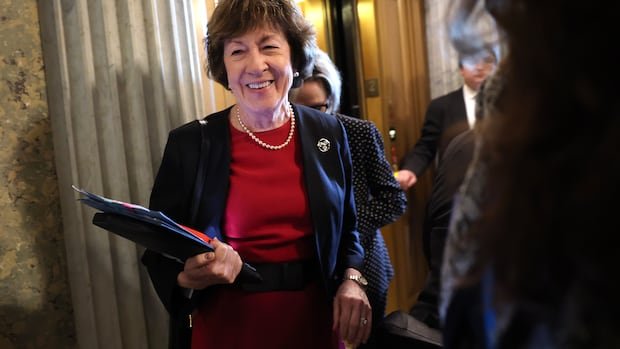
Republican Senator Susan Collins, a long-serving figure in Maine politics since 1997, is vying for a sixth term against Democratic challenger Troy Jackson. The contest in Maine, along with developments in Ohio and Texas, could signal broader implications for the rest of the country.
Maine’s strong economic and social connections with Canada play a significant role in the upcoming election. Collins, known for her consistent track record in the Senate, faces an opponent in Jackson, a fifth-generation logger. Despite Jackson’s late entry into the race, the competition remains close as he aims to challenge Collins’ established position.
Collins has distanced herself from President Donald Trump, a move influenced by pressing issues in Maine, such as unpopular tariffs affecting key industries like lumber and fisheries. Additionally, the rising cost of oil and decreased Canadian tourism are impacting the state. The ongoing debates highlight critical concerns, with Collins navigating challenges posed by Trump’s policies and the economic landscape in Maine.
The political dynamics in Maine reflect broader trends in the U.S., with unexpected shifts and competitive races. Despite past polling trends, the current race remains unpredictable, emphasizing the complex and evolving nature of American politics. This race underscores the importance of key issues like tariffs, trade relations with Canada, and energy costs, shaping voter perspectives as the election approaches.