

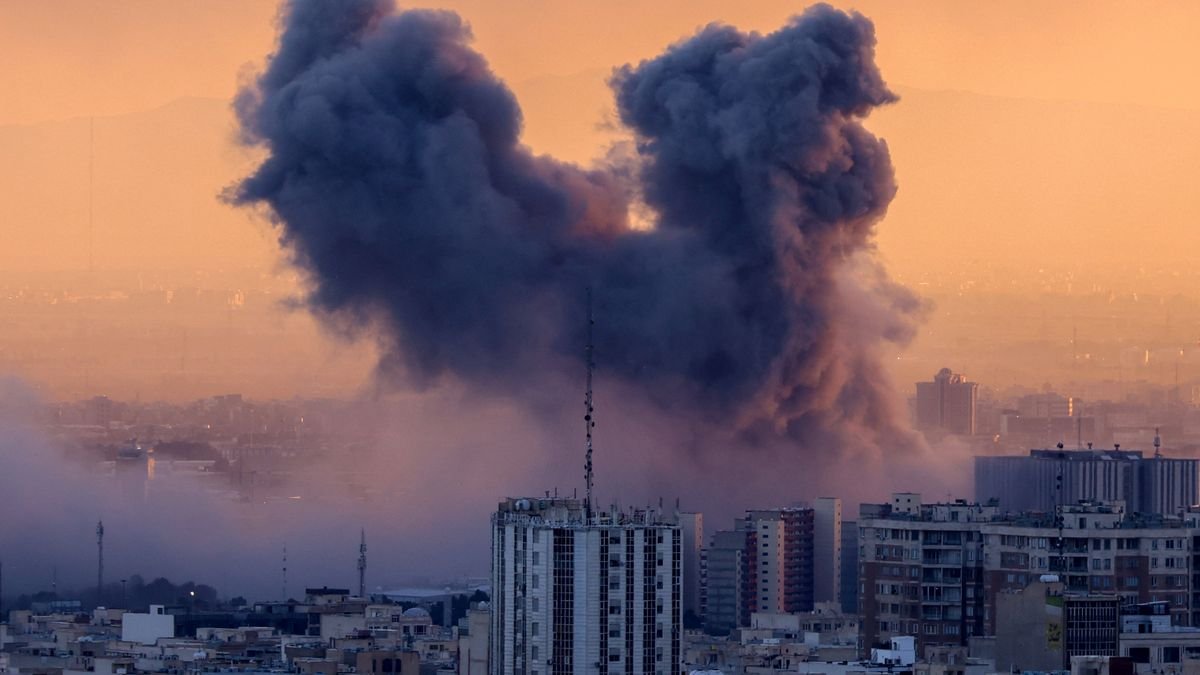

The ongoing crisis in the Middle East poses a threat to the fragile signs of economic recovery that had recently emerged. Recent studies on consumer sentiment indicate a slight improvement, suggesting a growing optimism about job security and financial well-being among workers. However, with the unfolding events in the Middle East sending shockwaves globally, concerns about another economic downturn loom large.
Many households in the UK and beyond already feel financially strained, reminiscent of the aftermath of the banking crisis and subsequent austerity measures. The recent surge in petrol and diesel prices following an increase in oil prices adds to the financial pressures faced by consumers. Furthermore, the uncertainty surrounding interest rates, with talks of a possible increase, has led to lenders raising mortgage costs, impacting borrowers.
The repercussions of the Middle East turmoil extend beyond financial markets, potentially leading to price hikes in essential goods and services, including food and imported products. Additionally, airline costs are expected to rise, affecting holiday budgets as jet fuel prices soar. The government’s efforts to promote economic growth and alleviate living costs are now challenged by the unfolding crisis, disrupting existing plans.
As the country grapples with the aftermath of successive crises, including the financial meltdown and the pandemic, the current situation underscores the fragility of the economy. The hope remains that the repercussions of the current events can be contained, considering the substantial national debt nearing £3 trillion due to previous crises and government interventions.