


In a small community center in St. Paul, Minnesota, chairs can be heard scraping across the floor as neighbors gather for “democracy defender” training provided by grassroots organizations. The purpose of the training is to equip attendees for potential disruptions at the polls during the upcoming Nov. 3 midterms.
Participants are instructed on forming local groups, organizing into zones, and establishing communication networks to ensure everyone in their neighborhood stays connected. They engage in discussions on how to respond if misinformation about voting rules emerges or if federal officers attempt to enter polling places.
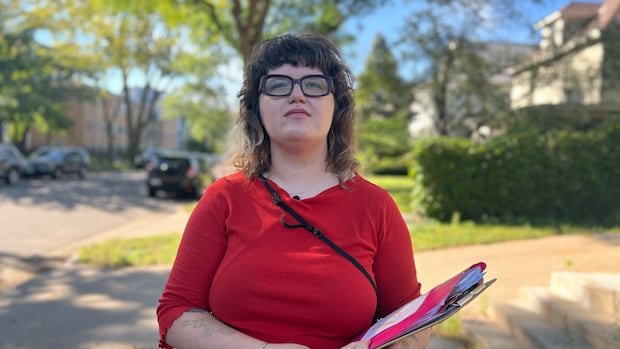
Helen Kouba, motivated by the past Operation Metro Surge immigration crackdown, signed up for the training out of a sense of responsibility to her community and family. She expressed disillusionment with systems she once trusted without question.
Nearly nine months after the massive immigration enforcement operation in Minnesota involving 3,000 federal officers and resulting in clashes and arrests, the community remains vigilant. Minneapolis residents, particularly impacted by the raids, have banded together to protect the integrity of the upcoming Senate race.
Concerns of federal overreach persist as the Trump administration seeks to influence voting processes, despite elections falling under state jurisdiction. Efforts to restrict mail-in voting and cast doubts on election integrity have raised alarms. The possibility of deploying federal officers to polling stations, as indicated by President Trump, has heightened tensions in communities affected by past enforcement actions.
Minnesota Secretary of State Steve Simon, alarmed by the potential for federal interference, has collaborated with counterparts from other states to prepare for any contingencies. Reflecting on the lessons learned from Operation Metro Surge, Simon emphasized the importance of non-violent resistance against unwarranted government interventions.
With the balance of power in Congress at stake in the upcoming midterms, political analysts suggest Minnesota could play a crucial role in determining the Senate’s control. Tight races, including the one in Minnesota, have drawn attention due to various factors impacting voter sentiments.
Immigrant communities, particularly Somali residents targeted during past enforcement operations, are viewed as pivotal in influencing election outcomes. The community’s heightened political engagement and response to perceived threats are expected to have significant implications in the Senate race.
Salman Fiqy, a former Republican supporter disenchanted by anti-immigrant rhetoric, emphasizes the need for political parties to engage immigrant populations effectively. The fallout from Operation Metro Surge has reshaped political allegiances and mobilized communities to participate actively in the electoral process.