

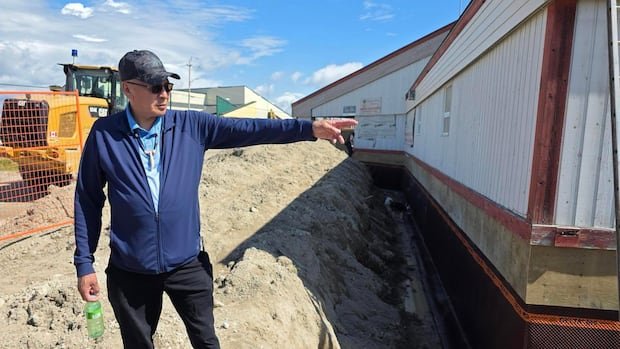

Neskantaga First Nation leaders are appealing for assistance from provincial and federal authorities to establish a new healthcare facility as vulnerable community members face their second evacuation of the summer. The remote Ojibway community, situated around 440 kilometers northeast of Thunder Bay, Ontario, declared a state of emergency on August 4 following a sewage leak at the community’s sole nursing station. With fewer than 400 residents, the community has been grappling with challenges, including a prolonged boil water advisory spanning 31 years, the longest in Canada.
This latest evacuation comes shortly after over 140 community members returned from Toronto, where they were temporarily relocated due to nearby wildfires. The community has a history of evacuations, with a three-month evacuation last year due to flooding and fuel odor at the nursing station. Chief Gary Quisses highlighted that despite earlier requests for a new healthcare facility, concrete support has not been forthcoming.
The crisis at Neskantaga’s nursing station, which was constructed in 1994, has led to the setup of a temporary facility offering basic medical services. The community’s lack of clean drinking water for decades exacerbates the situation. Plans for the restoration of the nursing station are underway, with Indigenous Services Canada collaborating with the community’s leadership and partners to address the issue. However, there is currently no set timeline for the station’s restoration.
During a recent news conference at Queen’s Park, Neskantaga leaders, including Chief Quisses and Kiiwetinoong NDP MPP Sol Mamakwa, emphasized the critical need for improved healthcare services in the region. Mamakwa highlighted the low standards of healthcare in many First Nations communities and the importance of essential services like the nursing station in Neskantaga.
Nishnawbe Aski Nation (NAN) officials also visited Neskantaga to assess the situation and provide support. Grand Chief Fiddler expressed concern over the challenges faced by community members, especially children, and the strain on mental health due to ongoing infrastructure failures.
Kerry Black, an expert in water and wastewater issues in First Nations, emphasized the need for sustainable funding to address long-standing challenges in Neskantaga and similar communities. Residents like Charla Moonias underscored the enduring struggles with inadequate infrastructure and services, highlighting the impact on youth and mental health.
Despite the complexities and delays in addressing the healthcare and infrastructure crises, community leaders remain hopeful that the current situation will draw attention to the urgent needs of Neskantaga and prompt necessary action to improve conditions in the community.