

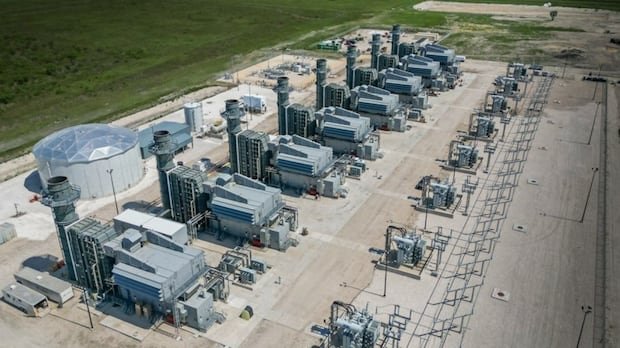

A gas and diesel power plant has been given the green light by the New Brunswick Environment Department for a rural location in Tantramar, with certain conditions attached. The approval was announced by Giles LePage, the minister for environment and climate change. ProEnergy, a U.S.-based company, is planning to set up 10 refurbished jet-engine turbines in Centre Village, capable of generating up to 500 megawatts of electricity at short notice. N.B. Power is leading the project, having inked a 25-year agreement with ProEnergy to construct and manage the plant in the southeastern New Brunswick community.
The approval includes a detailed list of conditions, such as the mandate for the company to develop an emergency management strategy in collaboration with local authorities and conduct regular monitoring of air and water quality. Furthermore, ProEnergy will need to provide information to the Elsipogtog First Nation regarding the potential impact on flora and fauna. The turbines are anticipated to use natural gas from the Maritimes and Northeast pipeline when accessible, or on-site stored diesel fuel when gas is unavailable.
Following the project’s announcement in July 2025, concerns were raised by residents about water usage on the site and the discharge from the plant’s water treatment system. Local opposition also highlighted worries about air quality in the vicinity of the plant, disruption to the regional ecosystem, and the readiness of local fire departments to handle emergencies at the site. In response to the environmental impact assessment, ProEnergy adjusted its water management plans, agreeing to transport water-treatment waste off-site instead of releasing it in Centre Village.
Both N.B. Power and ProEnergy have asserted that the plant’s turbines will primarily function as synchronous condensers, aiding in grid electricity stabilization. When operating in synchronous condensing mode, the turbines do not burn gas or generate electricity. A condition imposed by the department restricts gas burning to only 17% of the time. The company is also obligated to prioritize natural gas usage and inform the department whenever diesel is utilized as a backup fuel.
In a later development, the Energy and Utilities Board sanctioned the gas plant deal, concurring with the utility’s assertion that the province could experience rotating blackouts if the project was not operational by 2028. The project’s total cost over the 25-year period is estimated to be a minimum of $3.5 billion, based on figures from a 2024 briefing note to the N.B. Power board of directors. However, the utility has declined to disclose the exact financial details of the agreement with ProEnergy.