

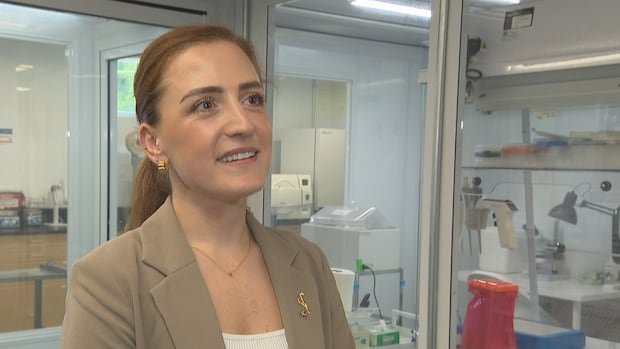

The provincial government of Nova Scotia has allocated $1.2 million to support ongoing research at Acadia University’s laboratory focusing on the prevention and management of tick-borne diseases. Nicoletta Faraone, the head of the Canadian Tick Research and Innovation Centre, emphasized the significance of this funding in establishing and advancing the lab’s capabilities.
The allocated funds are crucial for the lab’s surveillance program, which aims to identify the types of ticks present in the region, the pathogens they carry, and their responses to repellents or attractants. Tick bites can lead to the transmission of various diseases, including Lyme disease and anaplasmosis, posing a health risk to humans.
The lab is equipped with cutting-edge technology that expedites the process of testing pathogens. Faraone highlighted that the primary goal is to enhance knowledge about ticks and improve preparedness in reducing exposure to tick bites.
The funding originates from Research Nova Scotia’s Focused Research Initiative, which receives support from the Department of Advanced Education. Stefan Leslie, the CEO of Research Nova Scotia, emphasized the importance of research that can translate from the lab to practical applications to address the growing challenges posed by tick-borne diseases.
Recent data from the Public Health Agency of Canada revealed a significant increase in reported cases of Lyme disease nationwide, with Nova Scotia accounting for 40% of cases in 2024. Anaplasmosis, another tick-borne illness, has also been on the rise in the region.
Additionally, the federal government is contributing $455,000 to the project through the Atlantic Canada Opportunities Agency, enabling the lab to further its research by establishing a tick-breeding facility. This development will allow for the study of Canadian tick genetics and serve as a revenue source by selling specimens to researchers nationally and internationally.
The initiative to breed ticks locally will enhance research capabilities and contribute to a better understanding of tick populations. Faraone noted that the lab is already in operation, with ticks collected throughout different seasons and efforts in place to optimize breeding conditions for tick colonies.