


Researchers indicate that a lack of knowledge regarding the inhabitants of our oceans is impeding conservation efforts. Consequently, many are striving to uncover and catalog the vast and varied species residing in marine habitats that are often challenging for humans to reach.
Ocean Census, a worldwide partnership of scientists and non-profit entities, approximates that less than 10 percent of the approximately 2.2 million species, including fish, marine mammals, shellfish, plankton, squid, jellyfish, and others, have been documented by scientists.
“It’s extremely challenging to conserve what remains unknown,” stated Michelle Taylor, the science lead at Ocean Census.
A sea cucumber known as Loki, characterized by its horned appendages, and a vivid red-orange coral with slender branch-like fans are among the 57 newly identified species revealed in October from an Ocean Census expedition conducted off the coast of Argentina last year.

The newly discovered sea cucumber, nicknamed Loki, features distinct horned appendages reminiscent of the Norse god. It was located in the Mar del Plata submarine canyon off Argentina. (ROV SuBastian/Schmidt Ocean Institute)
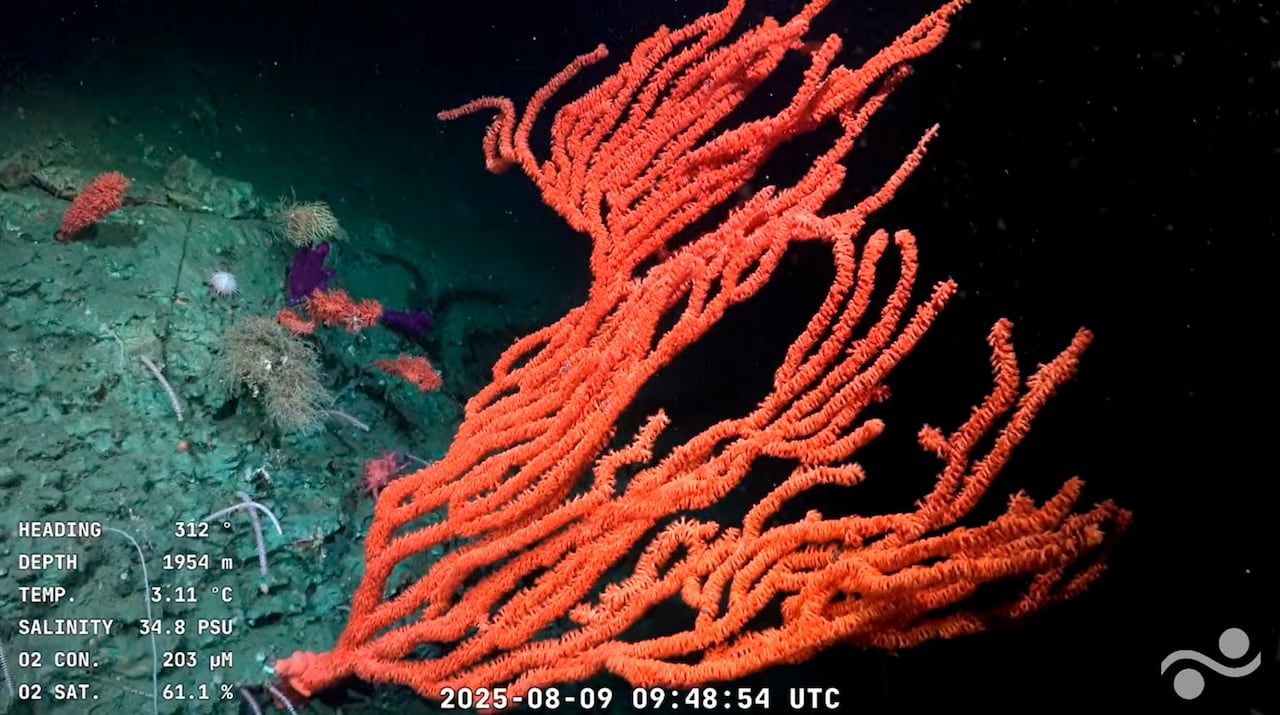
A vibrant red-orange octocoral was photographed nearly 2,000 meters beneath the ocean surface in Argentina’s Mar del Plata canyon. (ROV SuBastian/Schmidt Ocean Institute)
A significant UN biodiversity agreement established in 2022 committed to safeguarding 30 percent of the globe’s land, water, and marine areas by 2030, but has fallen short regarding ocean protection, with only 12 percent of oceans (in contrast to 27 percent of land) scheduled for protection by 2030.
According to the Canadian Parks and Wilderness Society (CPAWS), Canada has protected 15.5 percent of its ocean territory.
Claire Goodwin, a research scientist at Huntsman Marine Science Centre in St. Andrew’s, N.B., emphasized the necessity of protecting regions that showcase high biodiversity.
“However, if you aren’t surveying some marine life and lack knowledge about what’s present, you cannot identify which areas are biodiverse,” she remarked.

A cone jelly observed by the remotely operated vehicle SuBastian off the Argentine coast. (ROV SuBastian/Schmidt Ocean Institute)
Sponges that consume meat and offer shelter
The challenge is that even within Canada, numerous regions are hard to explore. Goodwin participated in an expedition to the Saguenay Fjord in Quebec in 2023.
On the steep cliffs where only one sponge species had been previously recorded, her team uncovered 20 to 30 sponge species, including several that are new to science.
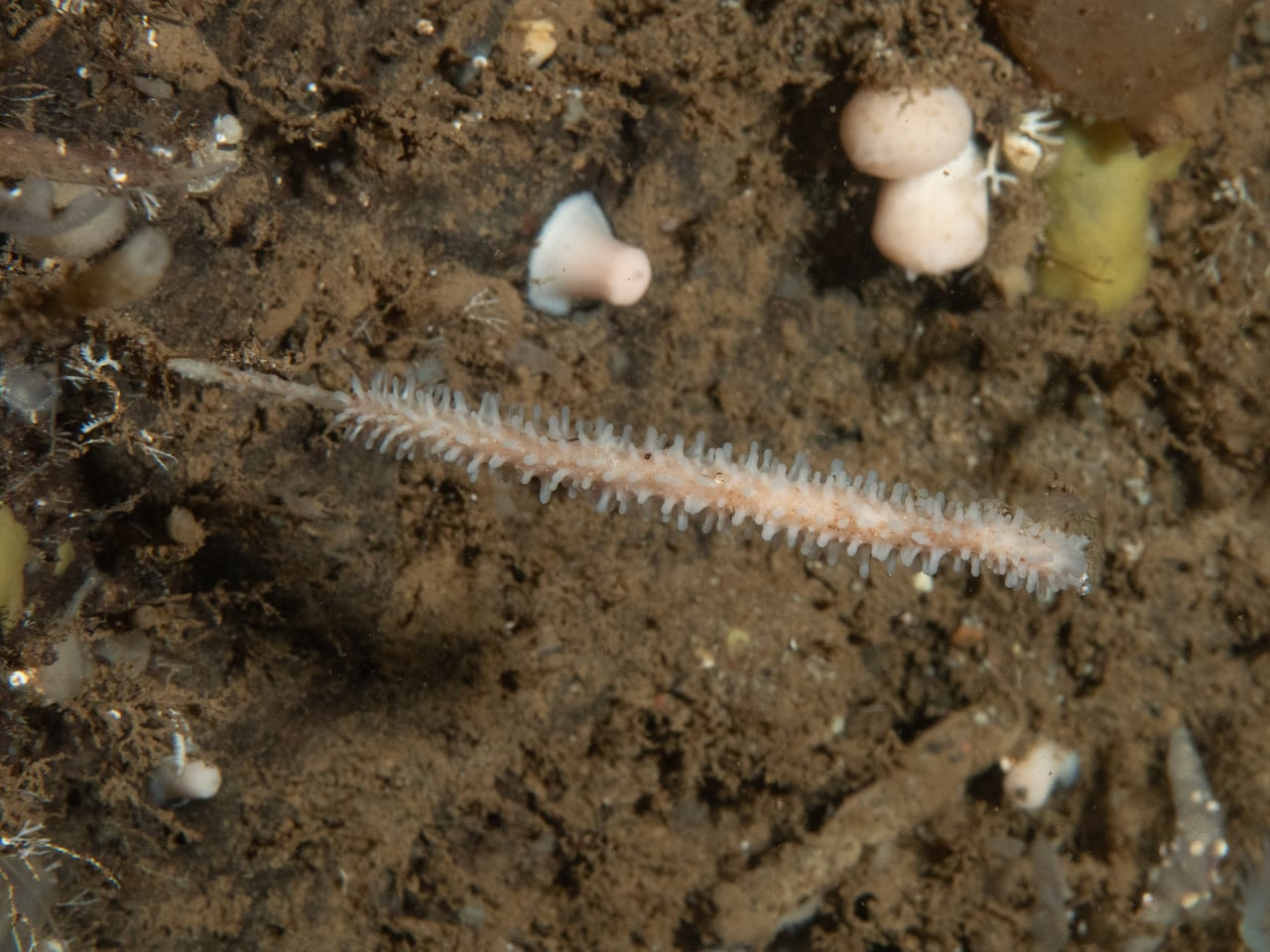
Carnivorous sponges were discovered in Quebec’s Saguenay Fjord in 2023. (Claire Goodwin/HMSC)
Among these were carnivorous sponges that ensnare shrimp using glass-like, velcro-like appendages to consume and digest them slowly, which Goodwin described as “incredibly exciting,” as most sponges typically feed passively by filtering water.
Goodwin noted that sponges play crucial roles within ecosystems — serving as food for sea stars, habitats for certain worms, and spawning grounds for various fish. Sponges located in Canadian waters can even grow to half the size of an adult human.
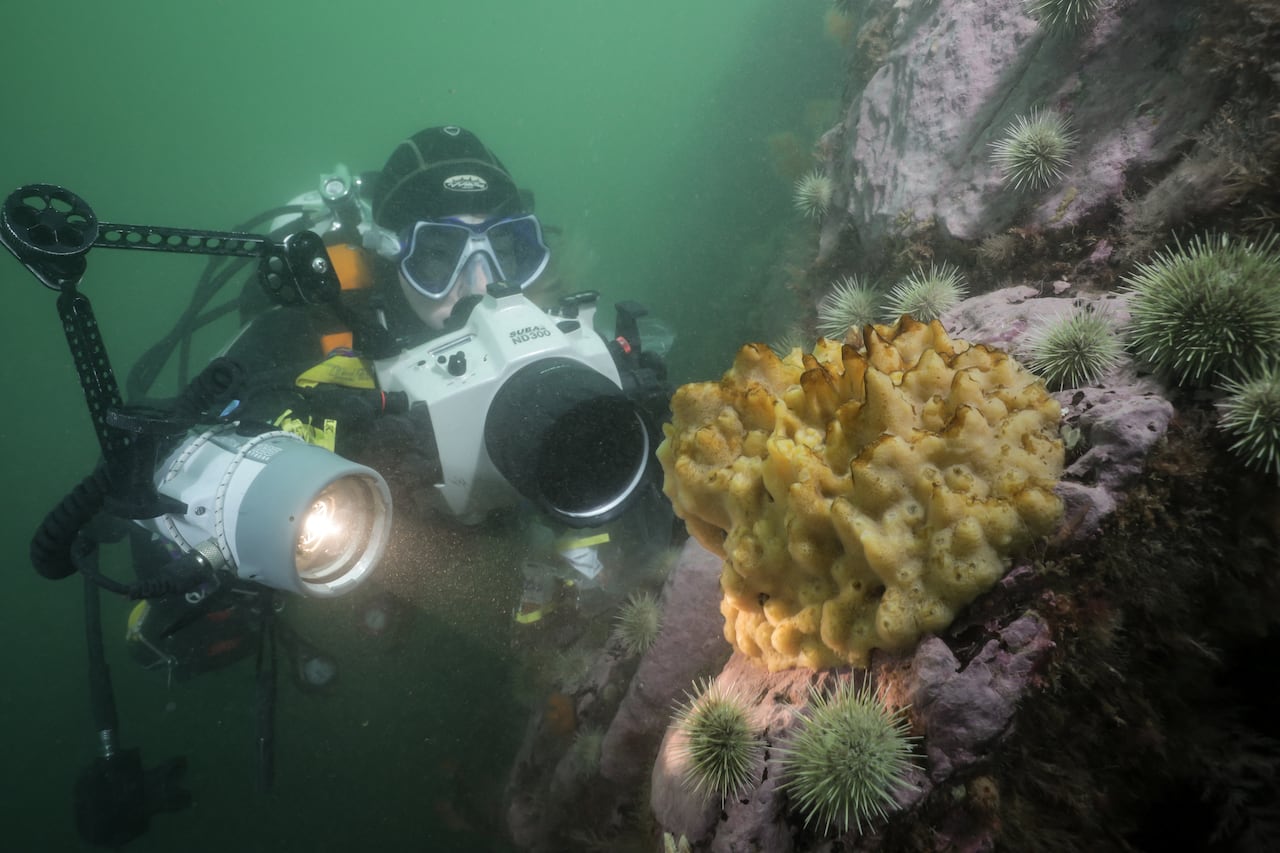
Claire Goodwin gathers sponge samples in the Bay of Fundy off New Brunswick’s coast. (Torben Brydges/Fisheries and Oceans Canada)

The sea slug Dendronotus yrjargul was recorded during a recent expedition led by the Innu Nation, marking the first instance of this species being found off Canada’s coast. (Claire Goodwin/HMSC/Innu Nation)
Goodwin is currently collaborating with the Innu Nation in Labrador to survey unexplored waters within their territory. “We genuinely have no idea what the seabed will reveal, let alone the life forms inhabiting it.”
Effects of climate change and potential solutions
The urgency to investigate is increasing as the ocean rapidly heats up, and climate change influences species distribution.
Goodwin has already observed that some species have vanished entirely from areas where they were once prevalent. She cites basket stars, “fascinating sea stars with branching arms,” which used to be abundant around St. Andrew’s but have not been sighted since a notable warming trend began around 2016.

A basket star, Gorgonocephalus arcticus, is spotted in the Saguenay Fjord. This species was once common in the Bay of Fundy but appears to have disappeared due to climate change. (Claire Goodwin/HMSC)
Loïc Jacquemot, a postdoctoral researcher at Université du Québec à Rimouski, remarked that in numerous regions, we lack a substantial baseline for comparing changes.
He is presently surveying Baffin Bay off Nunavut’s coast using a method called eDNA, which detects species from DNA released into the water through organisms’ skin, feces, and tissues. This technique allows for surveying without needing to see or capture them—only a water sample is required.

Loïc Jacquemot collects water samples for eDNA analysis in the coastal fjords of B.C. (Submitted by Loïc Jacquemot)
He explained that species accustomed to colder waters are anticipated to retreat into increasingly restricted areas “because they cannot move much further north,” while species thriving in warmer waters may broaden their distribution.
This shift can significantly affect the food chain—impacting fish and shellfish that humans consume—and the manner in which carbon is circulated through the ocean by zooplankton species that migrate daily between the surface and the ocean depths.
“It’s crucial for the climate, as all these changes influence how carbon is sequestered in the ocean,” Jacquemot noted.

This tiny copepod is one of 20 new species identified by the Ocean Census in October. These organisms are significant components of zooplankton that facilitate carbon movement between the ocean’s surface and depths. (The Nippon Foundation-Nekton Ocean Census/Schmidt Ocean Institute)
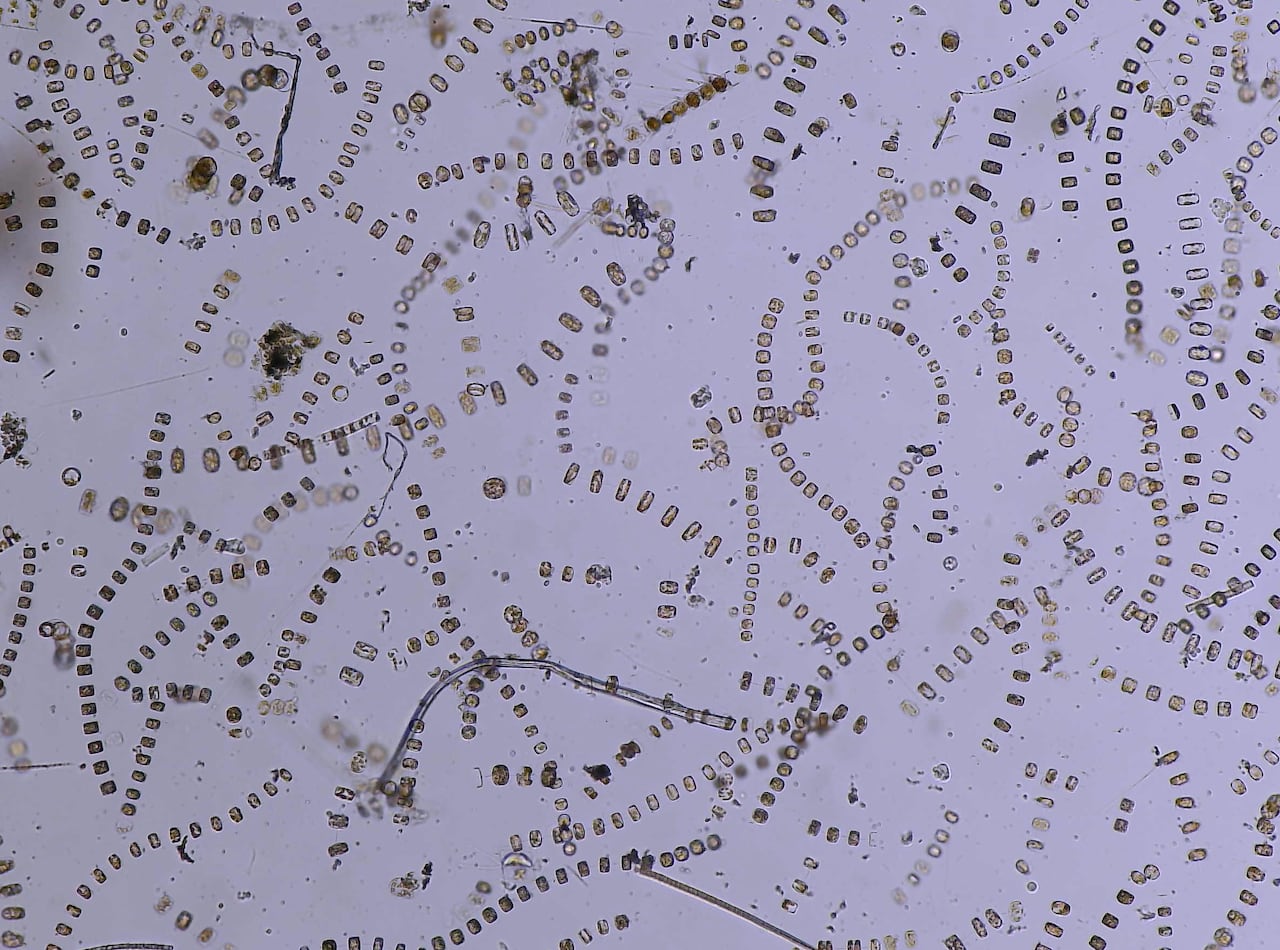
Photosynthetic algae known as diatoms from Greenland’s fjords. Diatoms play a vital role in capturing carbon dioxide in oceanic environments. (Submitted by Loïc Jacquemot)
The carbon stored within the ocean and its organisms is referred to as blue carbon. Currently, it accounts for 30 percent of carbon dioxide emitted by humans, along with 90 percent of the excess heat accumulated due to climate change, as reported in a recent UN study, which cautioned that the ocean’s capacity to absorb additional CO2 and heat is diminishing.
Simultaneously, coral reefs, recognized as biodiversity hotspots with the potential to sequester substantial amounts of carbon, are among the ecosystems most endangered by climate change.
The influence of the ocean and its species on climate change is a focal point at this year’s UN climate summit, COP31, taking place in Antalya, Turkey. Protecting marine ecosystems and “unlocking blue carbon for climate resilience” features among the 10 agenda items at the conference’s “action agenda.”
During COP31 this week, former U.S. Secretary of State John Kerry along with representatives from island nations advocated for robust references to oceans in next year’s global “stocktake” of climate policies, with support from the European Union and African nations.

This grenadier fish was noted with parasitic copepods attached to its head during a 2025 Ocean Census expedition near Montagu Island, close to Antarctica. (ROV SuBastian/Schmidt Ocean Institute)

This marine worm, Harmothoe imbricata, was discovered off Canada’s Atlantic coast. (Christy Carr/HMSC)
Essential for the ‘biogeochemical functioning of our planet’
According to Taylor with Ocean Census, marine ecosystems are vital for humanity—not only for those residing near the coast but for everyone, impacting food production and medicine, as well as broader ecological systems. “It’s part of the biogeochemical functioning of our planet, and we’re heavily reliant on it, whether we recognize it or not.”
Taylor, Goodwin, and Jacquemot aspire to enhance public awareness about the remarkable diversity of ocean life, hoping to foster appreciation for its preservation.
“When we present people with images and videos of the underwater world, they are invariably astonished by what exists below the surface,” Goodwin remarked.

Michelle Taylor, leading science efforts for Ocean Census, observes footage from the ROV SuBastian during a mission to catalog deep-sea species. (Paul Satchell)
Taylor describes the ocean’s inhabitants as an astonishing array of “wild-looking creatures,” noting that for some, “you would hardly believe they belong to this planet.”
She expressed deep concern about the plight of coral reefs but emphasized the need to maintain a mindset focused on finding solutions. In the meantime, she asserted, “we must identify as many species as possible to grasp the diversity on this planet before it disappears.”
This article is part of a series that showcases the efforts of scientists studying vanishing species that may not have received much attention. It’s an opportunity to learn about them, understand their impact on our lives, and explore measures to ensure their survival.