

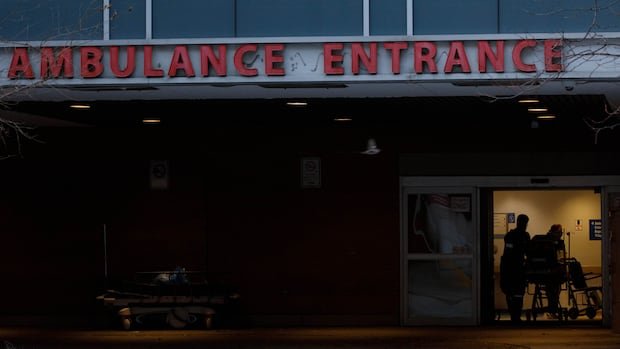

Ontario’s Financial Accountability Office (FAO) reports indicate that the province’s health-care, university, and college sectors will require increased spending to maintain current service levels. These reports, released recently, are based on an independent assessment of the provincial spending plans outlined in the government’s 2026 budget.
The FAO’s analysis serves as a measure to assess whether the 2026 budget’s proposed spending is sufficient to sustain, enhance, or diminish the quality and accessibility of various services. The reports reveal that health-care spending in the province is projected to increase at a rate of 3.2% annually. However, to uphold existing service standards, health-sector expenditure needs to rise by an average of 4.4% annually over the next three years.
Similarly, the FAO highlights that the province’s budget forecasts a reduction in spending for the ministry of colleges and universities at an average rate of 2.2% per year. Yet, to uphold current service levels, spending for this ministry should increase by an average of 3.2% annually over the next three years. The FAO projects funding shortfalls for both ministries starting in 2027-28.
Furthermore, the reports indicate a deceleration in spending growth compared to previous years, factoring in inflation. Between 2022-23 and 2025-26, the health-care sector saw an average annual spending growth of 7.4%, while the universities and colleges sector experienced a growth rate of 5.3%.
In response to the FAO’s findings, John Fraser, interim leader of the Ontario Liberal Party, criticized the government for underinvestment, citing ongoing cuts in the healthcare and education sectors. Fraser expressed concerns over the potential impact on services and student debt levels.
The FAO report projects significant reductions in nursing positions and hospital beds over the next three years in Ontario due to current spending patterns. This has raised concerns among stakeholders about the future of healthcare services in the province.
The government, in a joint statement from the ministries of education, health, and colleges and universities, defended its investments in essential services, emphasizing record funding for health care and post-secondary education sectors.
Opposition leader Mike Schreiner of the Ontario Greens voiced concerns over the strain on essential services under the current government, highlighting the negative effects on healthcare, education, and social support services.
The FAO’s review coincides with recent changes to the Ontario Student Assistance Program (OSAP), which have impacted student grants. Legislators have raised alarms about the effects of these changes on young people facing uncertainty in accessing post-secondary education.
Overall, the FAO reports underscore the need for increased spending in key sectors to sustain service levels amid ongoing financial challenges in Ontario.