

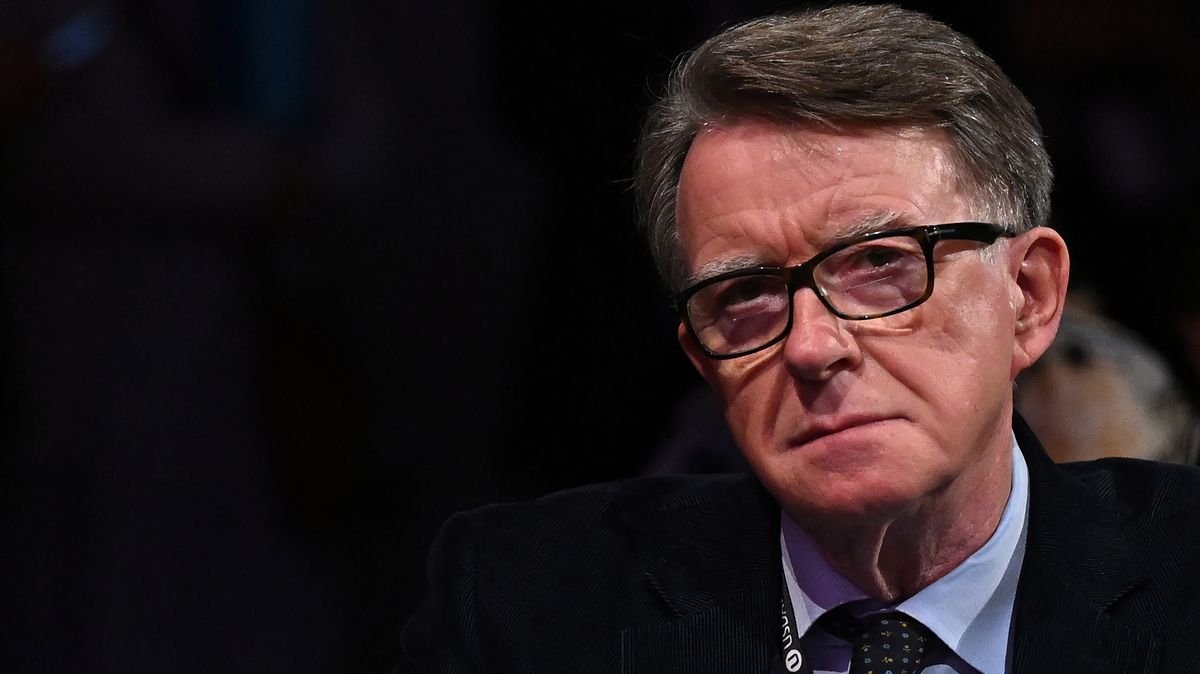

The recent Mandelson–Epstein controversy has been a major focus in the news this week. It involves the sharing of sensitive government information with a convicted criminal who led a global paedophile ring, highlighting a severe abuse of power. My thoughts are with the victims impacted by this egregious act of misconduct.
The courageous women who have come forward to expose these atrocious crimes deserve swift justice. However, this scandal goes beyond the individuals involved, underscoring the urgent need for fundamental reform in our political system. The pervasive influence of wealth in buying favors, protection, and opportunities not accessible to the general public is a glaring issue that must be addressed.
This issue is not unique to Britain but is a global concern, with affluent individuals wielding disproportionate political power and influencing decisions without proper democratic oversight. The influx of donations and undisclosed funds into politics, often from foreign billionaires with no local interests, further exacerbates this problem.
A significant donation of £9 million from Christopher Harborne, a crypto investor based in Thailand, to Reform in December raised eyebrows as the largest single donation by a living individual to a UK political party. Such instances of monetary influence, including a £1 million contribution to Boris Johnson’s office by Harborne, highlight a trend where powerful figures prop up compromised leaders while ordinary citizens bear the consequences.
The concentration of power is evident across various sectors, from media monopolies controlled by a handful of billionaires to social media platforms promoting divisiveness and misinformation for profit. The lack of accountability and regulation in these domains poses a serious threat to democracy and public discourse.
It is crucial to combat corporate influence, dismantle media monopolies, and implement stringent regulations on social media to ensure that politics truly represents the interests of the majority. Upholding transparency and challenging hypocrisy are essential steps towards restoring trust in democratic processes and governance.
The recent passing of the Employment Rights Act marks a significant milestone, introducing measures to ban exploitative zero hours contracts, enhance parental rights, and strengthen protections against harassment. These advancements are a result of persistent advocacy by unions and workers, but there is still more work to be done to fully realize these rights and protections.
Efforts are underway to secure day one sick pay for millions starting in April and push for broader reforms under the government’s Make Work Pay Agenda. These initiatives aim to safeguard workers’ rights, particularly in the gig economy, and improve financial stability for individuals grappling with job insecurity.
As Heart-Unions Week approaches, a time to celebrate the tireless efforts of workers advocating for better pay and conditions, the importance of unions in advancing the interests of working people becomes even more evident. Despite economic challenges, unions continue to champion for fair wages, improved working conditions, and job security, demonstrating their pivotal role in supporting the workforce.
Addressing mental health concerns is crucial for all workers, irrespective of their profession, as highlighted by recent discussions surrounding the mental stress experienced by individuals like Premier League footballers. Recognizing and prioritizing mental well-being in the workplace is essential for fostering a supportive and healthy work environment for all employees.