

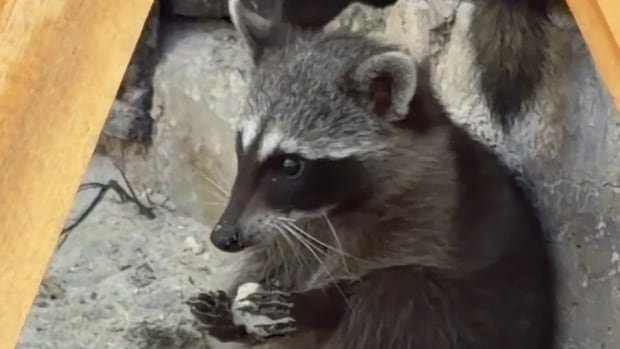

Biologist Nessie O’Neil from Miami University in Ohio recently shared a fascinating discovery about pygmy raccoons on a podcast interview. O’Neil witnessed these endangered Mexican raccoons creating toy balls out of trash, a behavior she initially found adorable but later realized was scientifically significant. After capturing the behavior on video, O’Neil’s advisor emphasized the importance of documenting the discovery for a scientific paper rather than sharing it on social media.
The research paper, now published in the Wild journal, highlights how these tiny raccoons engage in unique behaviors such as rummaging through bins for materials, crafting scraps into playthings, and even teaching their family members these skills. This study marks the first documented evidence of “material culture” within the Procyonidae family, which includes raccoons and related species.
O’Neil explained that while raccoons are known for their playful nature, this specific toy-making behavior had not been observed before. The pygmy raccoons, a critically endangered species found exclusively on Cozumel Island in Mexico, have adapted to their shrinking natural habitat by foraging in tourist areas and scavenging from garbage bins.
Observing a family of raccoons at a beach club, O’Neil witnessed firsthand how these creatures transform paper scraps into toys using water and sand. She noted how the juvenile raccoons learned the behavior from one another, with the mother raccoon attempting to create a toy as well. The study humorously mentions an incident where the mother raccoon’s dexterity was hindered after consuming a margarita, leading to her giving up on the task.
Retired scientist Benjamin Beck, co-author of Animal Tool Behavior, expressed fascination at the raccoons’ innovative play behavior, emphasizing the novelty of them creating their own toys. He highlighted the social aspect of the raccoons playing with the handmade balls, suggesting a potential higher level of foresight and creativity in their actions.
Despite the intriguing findings, Beck cautioned against immediately labeling the behavior as cultural due to the limited sample size. With only around 200 pygmy raccoons remaining on Cozumel Island, their population continues to decline due to habitat destruction caused by tourism. O’Neil urged for increased awareness and conservation efforts to protect these unique creatures, emphasizing the importance of not feeding them human food items like tortilla chips and margaritas.
This research sheds light on the plight of pygmy raccoons and calls for a shift in human behavior to ensure the survival of this endangered species in their natural habitat.