

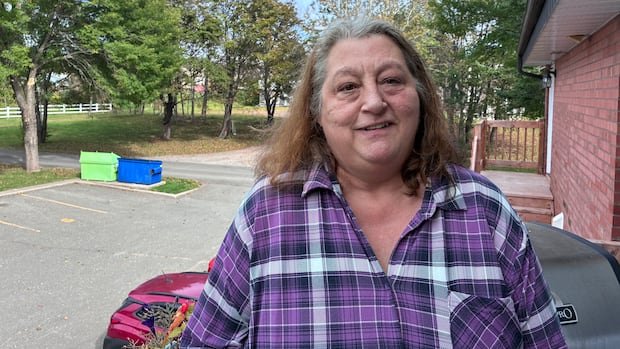

When Lisa McDavid needed chemotherapy treatment in Rimouski last winter, the 300-kilometre distance from her New Richmond home in Quebec made her eligible for the province’s regional financial assistance program. However, out of the 29 nights she spent away, only three were reimbursed by Santé Québec Gaspésie, a discrepancy she attributes to poor communication. This situation highlights the ongoing calls from patient groups to review the program’s criteria and increase the base amount individuals are entitled to.
McDavid’s decision to leave the cancer patient housing unit at Hôtellerie Saint-Omer, attached to the hospital in Rimouski, led to the reimbursement issue. Uncomfortable potentially sharing a room with a stranger due to her anxiety, she opted for a studio apartment near the oncology ward for $95 a night. However, she later learned from the health board’s complaints commissioner that the reimbursement amount she received was only intended for stays of one or two nights, with longer treatments like radiation and chemotherapy requiring patients to stay at approved accommodations or receive no reimbursement.
McDavid filed a complaint with the commissioner’s office not expecting reimbursement but to highlight the lack of proper communication. Patient navigator James Robson, from CASA in New Carlisle, echoed the need for clearer procedures and documentation to assist English-speaking patients in navigating the healthcare system and filing complaints.
Health boards are urged to provide clearer information to patients, as complaints related to travel costs form a significant portion of grievances received by the commissioner’s office. Patient advocate Paul Brunet emphasized the importance of adequate information provision, especially in regions like Quebec where medical travel is common.
Looking ahead, Brunet hopes the incoming provincial government will improve financial aid for patients, criticizing the current allocations as unjust and discriminatory. During the election campaign, the Parti Québécois pledged to enhance financial compensations to align with public employees’ levels and simplify claim criteria, potentially doubling mileage reimbursements to $0.24/km.
While changes may not be immediate, clarity in policies is sought to prevent patients like McDavid from unexpected out-of-pocket expenses. Despite no specific recommendations made in McDavid’s case, the local health authority expressed openness to enhancing communication if needed. McDavid plans to engage the Quebec ombudsman to push for further improvements, advocating for a smoother process to spare others from similar challenges during their medical journeys.