

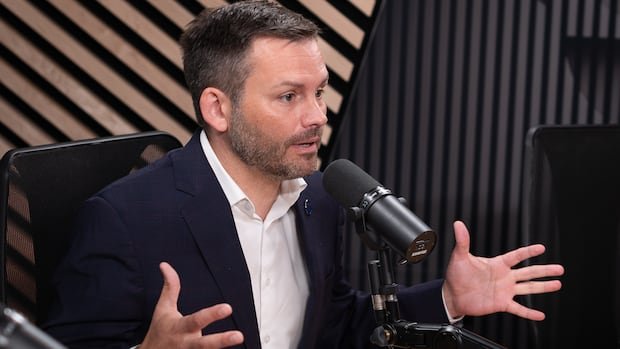

Parti Québécois Leader Paul St-Pierre Plamondon has indicated that a referendum on sovereignty will not occur while U.S. President Donald Trump is in office, with his term ending on Jan. 20, 2029. This decision gives St-Pierre Plamondon over a year and a half to potentially hold a referendum if his party secures a majority in Quebec’s upcoming Oct. 5 election.
St-Pierre Plamondon emphasized this stance in media interviews, highlighting that the focus for the next government should be on addressing issues created by the current Coalition Avenir Québec (CAQ) administration. He clarified that the party had always intended to hold a referendum within the first four years of governance, now providing a more specific timeframe.
The timing of this announcement coincides with concerns over impending U.S. tariffs, which have previously impacted Quebec’s economy significantly. Poll analyst Philippe Fournier noted that despite the PQ leading slightly in opinion polls over the Quebec Liberal Party, most voters are not in favor of an immediate referendum.
Critics, including Conservative Party of Quebec Leader Éric Duhaime and Quebec Liberal Party Leader Charles Milliard, have criticized St-Pierre Plamondon’s decision, with Duhaime labeling him a “referendum weather vane.” Milliard suggested that postponing the referendum indicates a lack of clarity on the PQ’s intentions and weakens the separatist agenda.
The postponement has sparked debate within Quebec’s political landscape, with current Premier Christine Fréchette condemning the announcement as “irresponsible” in light of the impending tariffs. Despite the criticism, St-Pierre Plamondon maintains that a referendum will be held within the party’s first mandate, aiming to present a comprehensive campaign agenda to voters.
Fournier highlighted that the PQ leader’s strategy may resonate with voters who are hesitant about a referendum but seek a change in leadership. However, the effectiveness of this approach remains uncertain, leaving the outcome of the upcoming election campaign open to interpretation.