

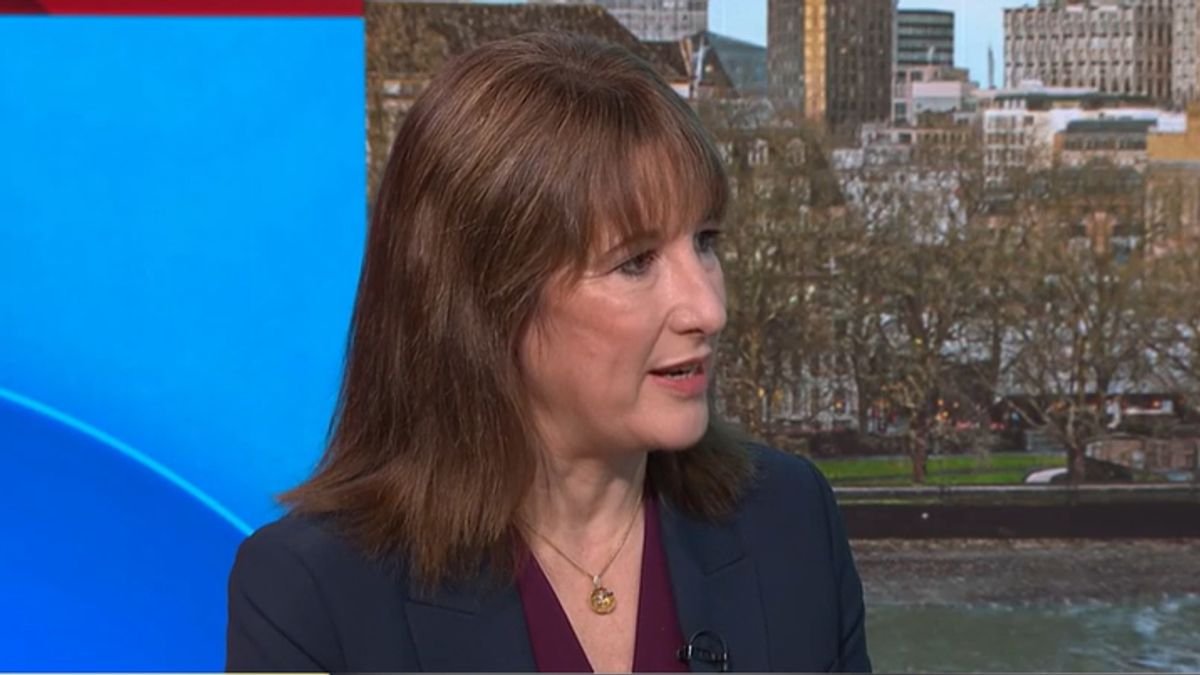

Defiant against accusations of dishonesty regarding the nation’s financial situation prior to the Budget, Rachel Reeves firmly denied any falsehoods. The Chancellor defended her decision to implement tax increases, emphasizing that it would result in the most significant reduction in child poverty ever witnessed in a parliamentary term. Reeves highlighted the necessity of her actions, citing a meager buffer of only £4.2 billion if no steps were taken.
During her Budget address, Reeves stressed the collective responsibility in facing the economic challenges by announcing £26 billion in tax hikes. She reiterated her commitment to transparency, stating that she had been forthright from the outset. In an interview with the BBC, she expressed her aspiration to see more children from working-class backgrounds living fulfilling lives, emphasizing that lifting half a million kids out of poverty aligns with her and her party’s beliefs.
Following a speech where she alluded to financial difficulties on November 6, controversy arose as it was later revealed by the Office for Budget Responsibility that a surplus had been foreseen. When pressed about the veracity of her statements on Sky News, Reeves adamantly refuted any claims of deceit.
Explaining her budget objectives, Reeves highlighted her focus on addressing the cost of living by reducing energy bills and freezing prescription charges and rail fares. She also emphasized her commitment to improving NHS services and reducing national debt and borrowing, which necessitated increasing the financial margin by £4 billion.
Undeterred by criticism, Reeves asserted her determination to defy skeptics, emphasizing her pride in the Budget outcomes. She defended her choices to alleviate child poverty, decrease NHS waiting lists, and reduce energy costs, asserting that her decisions were aimed at securing a sustainable financial future for the public.